jiangjufang@zpslc.com
+86-18957319083
Content
Walk into any construction site, glance at a roadside political sign, or open a reusable shipping container, and you are likely encountering a corrugated plastic sheet. Also known by trade names like Coroplast, Corflute, or Correx, this material is a twin-wall polypropylene board that combines the lightweight nature of cardboard with the resilience of solid plastic. The question "What is corrugated plastic used for?" reveals a surprisingly broad answer, as its applications span industries from agriculture to aerospace. This guide explores the primary uses of corrugated plastic sheet through a technical and practical lens, detailing why it is the material of choice for projects that demand durability, weather resistance, and cost-effectiveness.
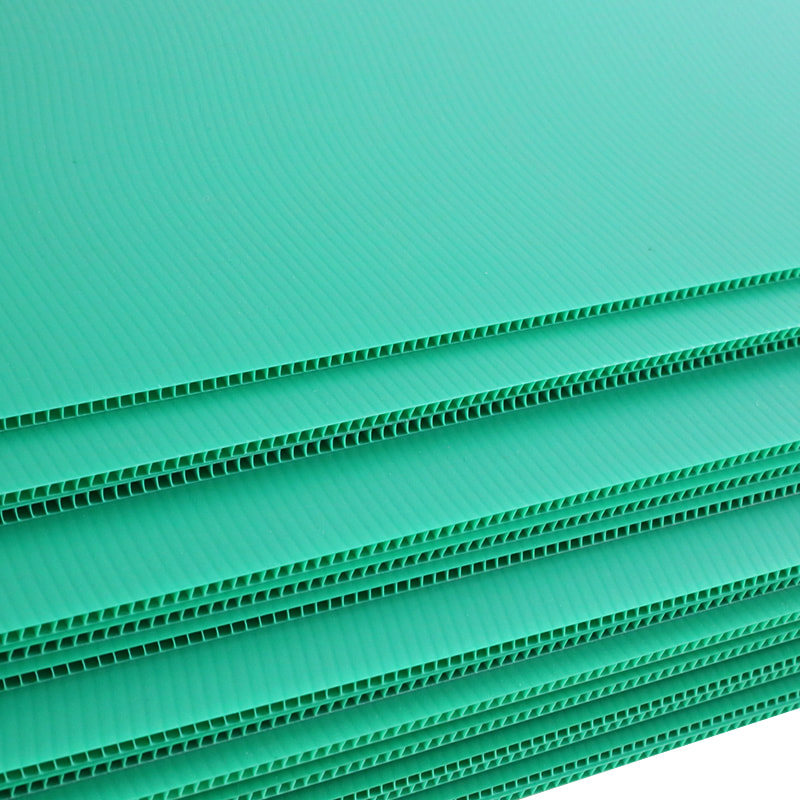
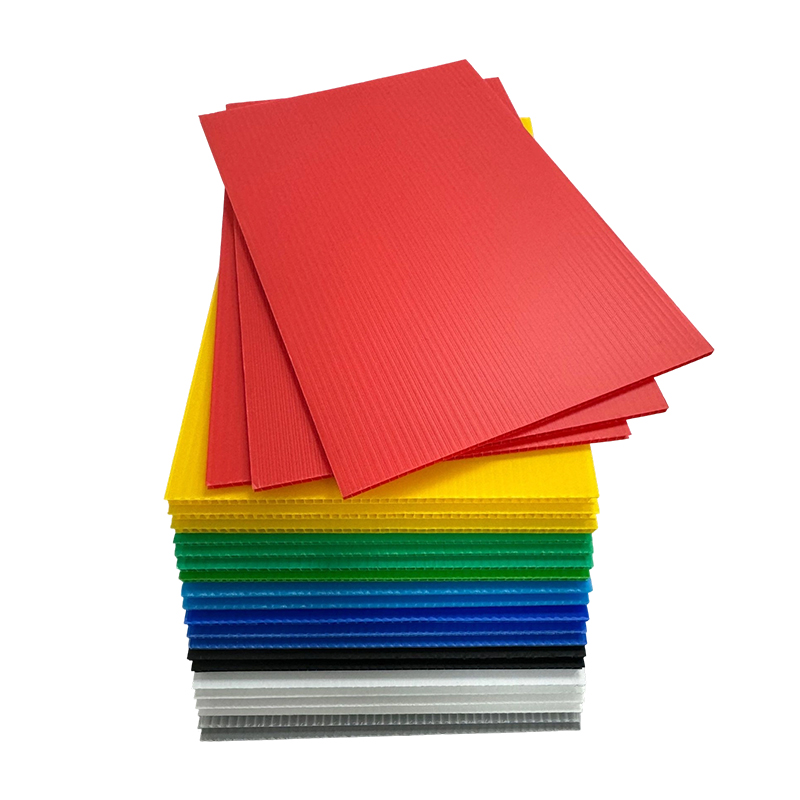
Before diving into applications, it is essential to understand the physical architecture of the corrugated plastic sheet. The material features a twin-wall construction: two flat outer layers separated by a vertical internal flute structure. This design is not merely aesthetic; it is the key to the sheet's performance.
The flutes act as I-beams, providing significant rigidity and impact resistance without adding weight. Compared to a solid plastic panel, the corrugated core reduces material usage while maintaining structural integrity. This structural efficiency allows the sheet to be lightweight enough for easy handling but strong enough to withstand rough environments, making it a superior alternative to solid plastic boards or corrugated cardboard in many scenarios.
Arguably the most visible use of corrugated plastic sheet is in the signwriting industry. Its flat, printable surface and weather resistance make it an ideal substrate for various types of signs.
From election yard signs to real estate for sale boards, the material is omnipresent. The corrugated plastic sheet resists rain, UV radiation, and wind, ensuring that messages remain legible for the duration of a campaign or property listing. It is non-toxic and chemically stable, allowing it to be printed on via screen printing, digital printing, or flexography without warping.
In retail environments, this material is used for shelf talkers, floor stands, and promotional displays. The smooth surface accepts pressure-sensitive adhesive films and mounting materials, making it easy to install graphics. Because it is cost-effective, it is suitable for short-term promotional campaigns, yet robust enough to be reused for multiple events.
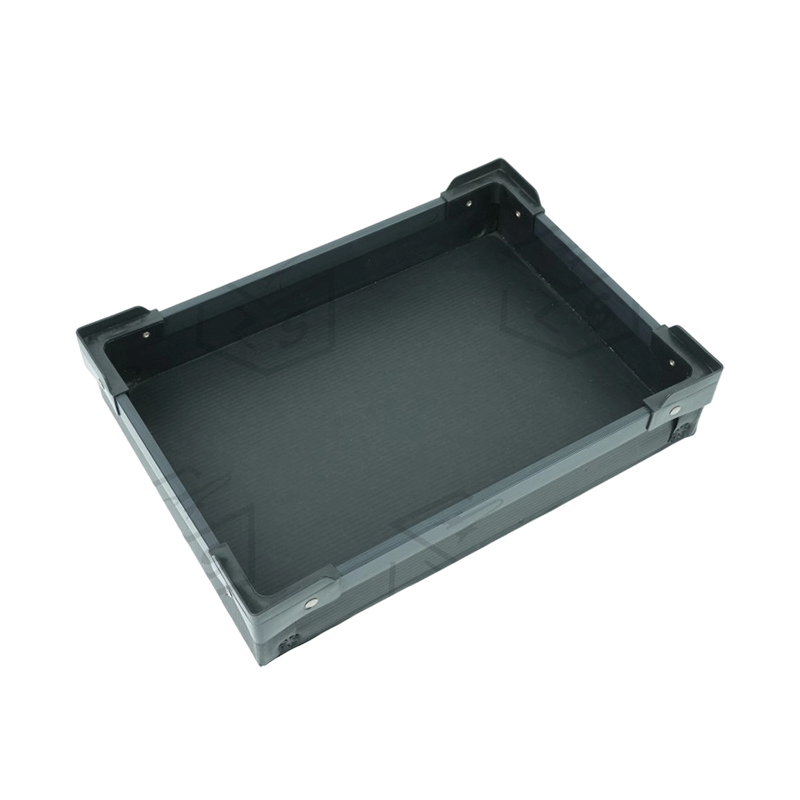
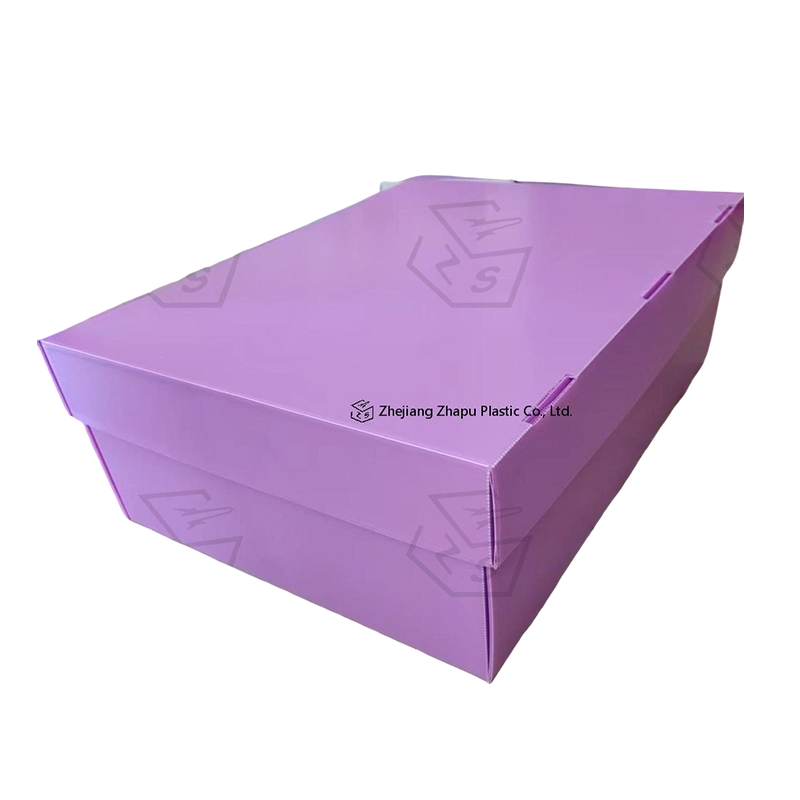
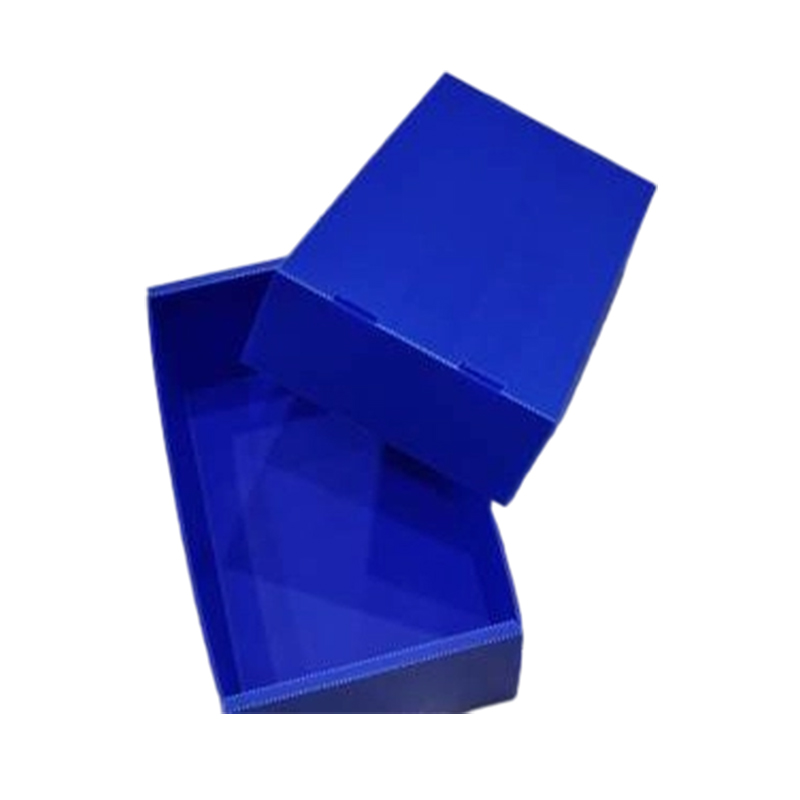
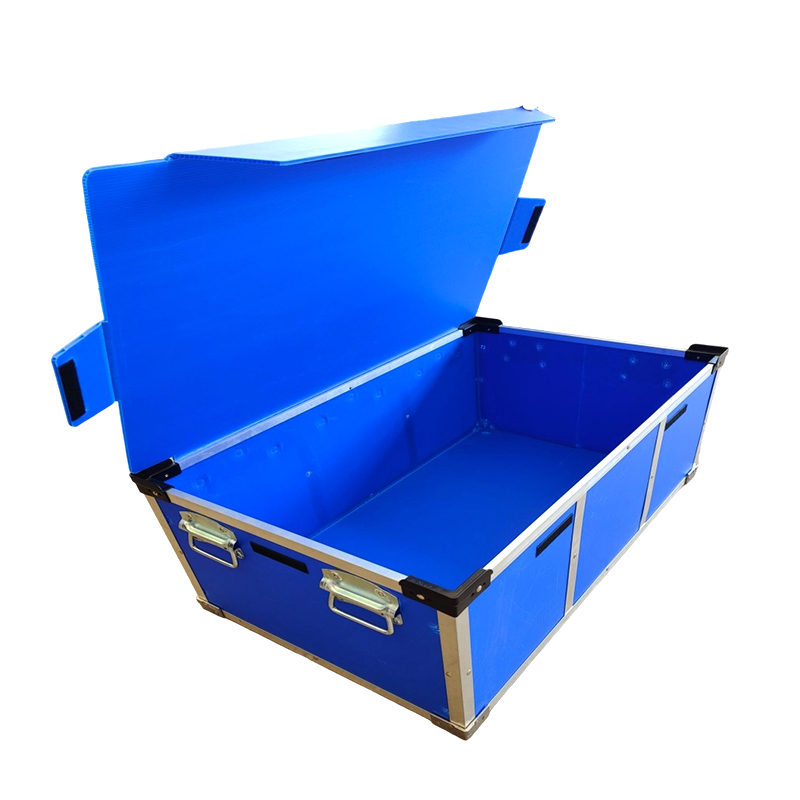
In the logistics sector, corrugated plastic sheet has emerged as a sustainable alternative to corrugated cardboard. Its resistance to moisture, oils, and solvents makes it particularly valuable in industries where products must be protected during transit.
One of the strongest selling points is its recyclability. Many manufacturers now integrate 15% to 30% post-consumer recycled content or offer take-back programs for clean cutting scraps, supporting a circular economy approach to packaging.
The durable, waterproof nature of corrugated plastic sheet makes it a staple on construction sites and in home workshops.
When renovating homes or offices, protecting the existing floors is critical. Sheets are laid down as a protective layer against paint spills, foot traffic, and dropped tools. Unlike cardboard, they do not disintegrate when exposed to moisture from wet boots or paint.
During construction, the sheets are used as temporary wall barriers or room dividers to contain dust and separate work areas. They are easy to cut and fit around structural elements.
For hobbyists, the material is a favorite for constructing robust model aircraft and small animal cages (for guinea pigs, rabbits, or hedgehogs). It is also used to build sturdy, lightweight storage boxes and jigs for workshops.
Agriculture presents harsh environments involving moisture, chemicals, and animal waste. Corrugated plastic sheet excels here due to its chemical resistance and ease of cleaning.
Livestock Housing: It is used in chicken coops, hog pens, and cattle barns. Its hollow structure provides better thermal insulation than metal sheeting, helping to keep temperatures stable. Furthermore, it reflects solar rays and resists corrosion from manure, making it safer and more durable than traditional metal roofing in stables.
The environmental profile of corrugated plastic sheet is increasingly becoming a deciding factor in its selection. Polypropylene (PP) has a naturally low carbon footprint, and the material is considered safe and non-toxic.
Most modern corrugated plastic boards are 100% recyclable. Manufacturers are incorporating high percentages of post-industrial and post-consumer recycled content to meet LEED credit requirements and support sustainable supply chains. The ability to reprocess end-of-life sheets into new products helps eliminate costly disposal and supports global initiatives for reducing plastic waste.
To understand the full potential of corrugated plastic sheet, one must look at the available range of specifications. Customization is a key factor in its wide adoption.
| Parameter | Typical Range / Options |
|---|---|
| Thickness | 1.5 mm to 10 mm (or 2mm - 10mm common ranges) |
| Sheet Size (Length) | Standard up to 8 meters; often 2440 x 1220 mm |
| Weight | 200 g/m² up to 2000 g/m² (depending on thickness and density) |
| Material Options | Polypropylene (PP), Polyethylene (PE) |
| Special Properties | UV-stabilized, Flame Retardant, Anti-Static (ESD), Corona Treated (for printing), VCI (Anti-Corrosion) |
| Colors | Standard White, Black, Translucent; Custom colors available |
This versatility allows engineers and designers to specify exactly the right grade for niche applications, from food-contact packaging to hazardous environment containment.
A: A corrugated plastic sheet has a fluted inner structure that provides rigidity with minimal weight, similar to a cardboard box. A solid plastic sheet is heavier and denser but may offer less impact absorption relative to its weight.
A: Yes, but it depends on the specific grade. Standard sheets may become brittle under prolonged UV exposure. However, suppliers offer UV-stabilized grades specifically designed for long-term outdoor signage and roofing applications that resist degradation.
A: Yes, it is highly resistant to moisture and water absorption, which is why it is used for floor protection and outdoor signs. It will not swell or warp like wood or cardboard.
A: They can be easily cut with a utility knife, saw, or laser. They also support die-cutting for complex shapes. Fabrication methods include gluing, stapling, and sonic welding.
A: While cardboard is cheaper, corrugated plastic sheet offers superior durability, reusability, and moisture resistance. It can be used dozens of times in returnable packaging systems, reducing long-term costs and waste.
Products
Contact Us
Email: jiangjufang@zpslc.com
FAX: +86-573-85767773
Phone: +86-18957319083
Tel: +86-573-85761221
WhatsApp: +86-13356049083
Wechat: +86-13355839083
Address: No. 188 Guangyuan Road, Guangchen Town, Pinghu City, Zhejiang Province, China

 English
 Français
 Español
 عربى
عربى
 Deutsch