jiangjufang@zpslc.com
+86-18957319083
Content
In the evolving landscape of industrial packaging and logistics, the choice of container directly impacts operational efficiency, product safety, and environmental footprint. While traditional cardboard has served as a default for decades, a paradigm shift is occurring towards more resilient solutions. At the forefront of this movement is the corrugated plastic box, a product engineered to address the limitations of single-use materials. This article explores the multifaceted benefits of this packaging solution, moving beyond surface-level observations to provide a technical and economic analysis.
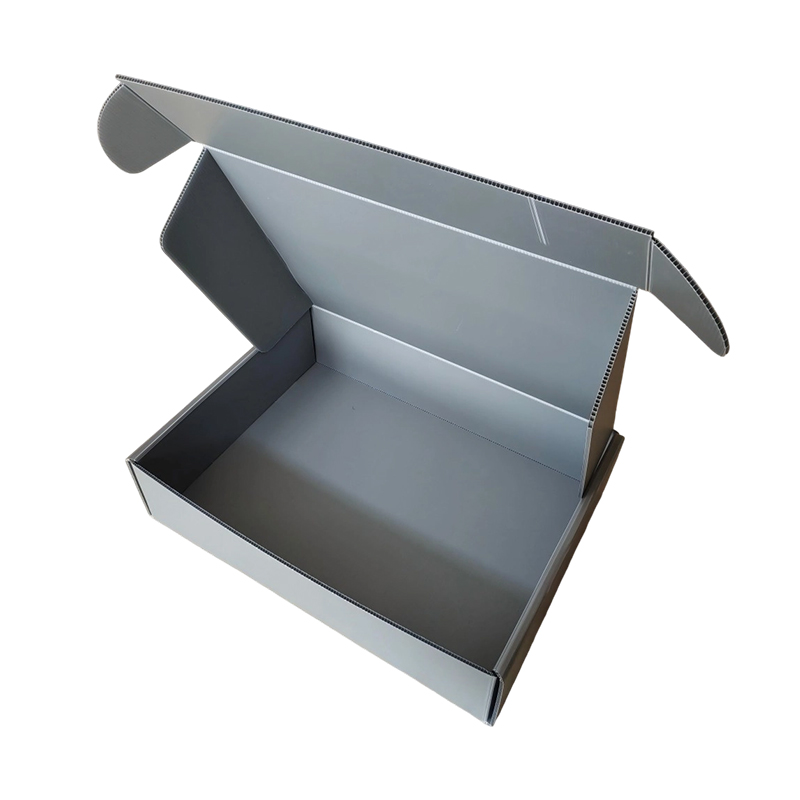
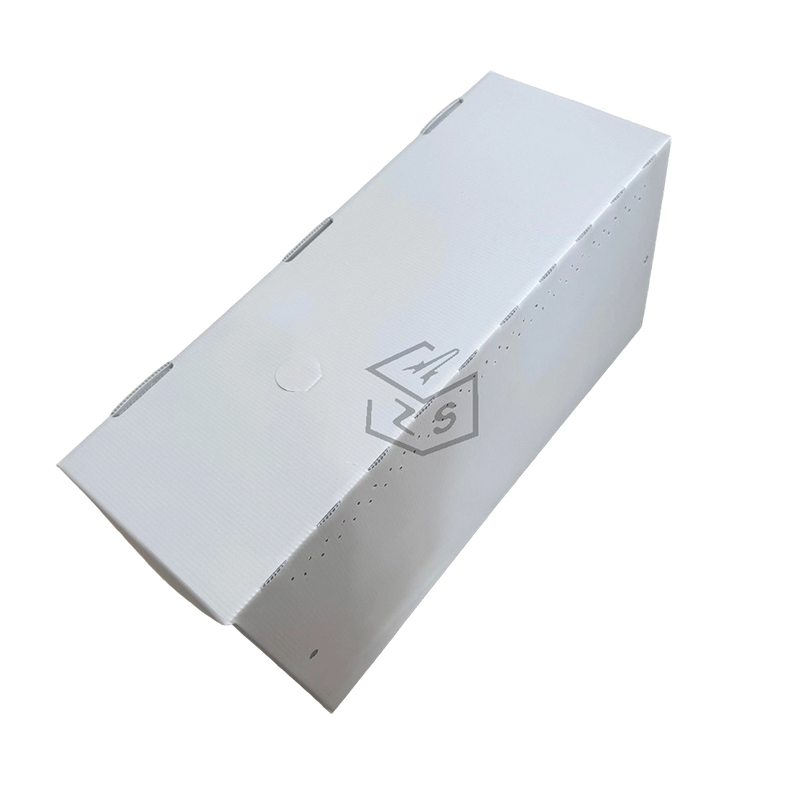
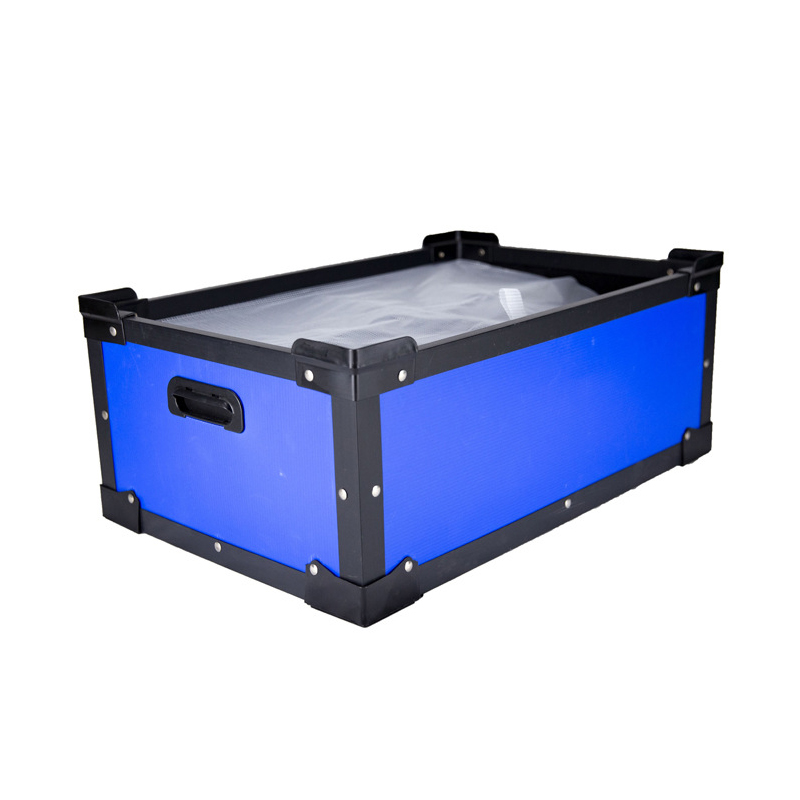
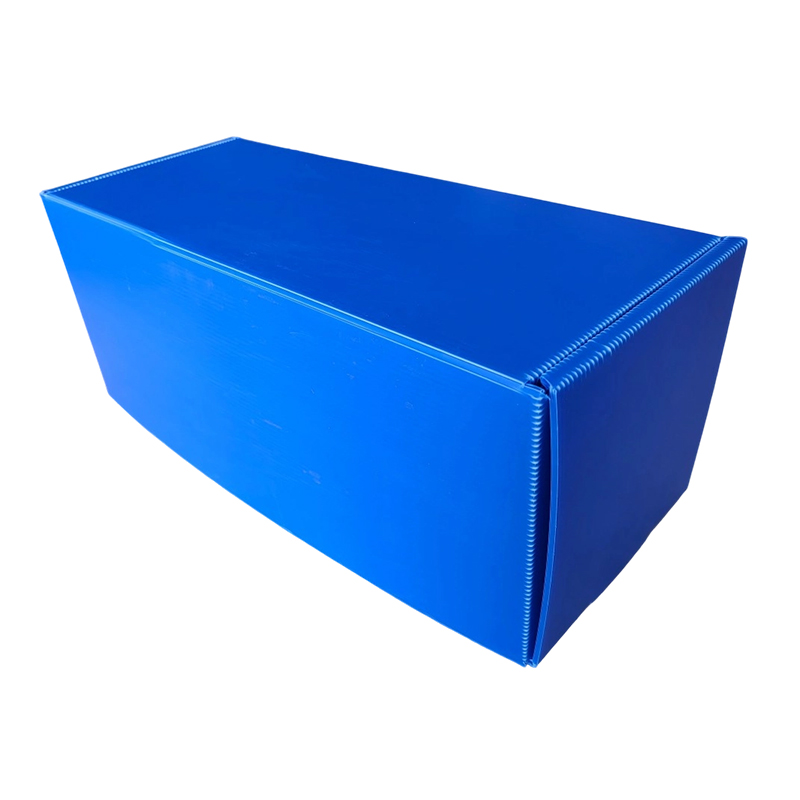
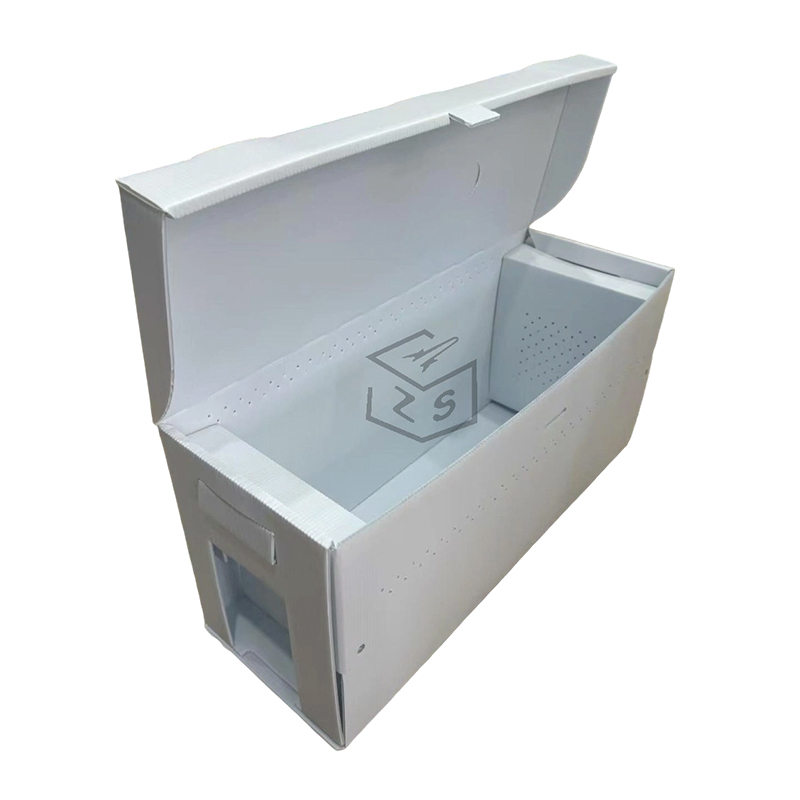
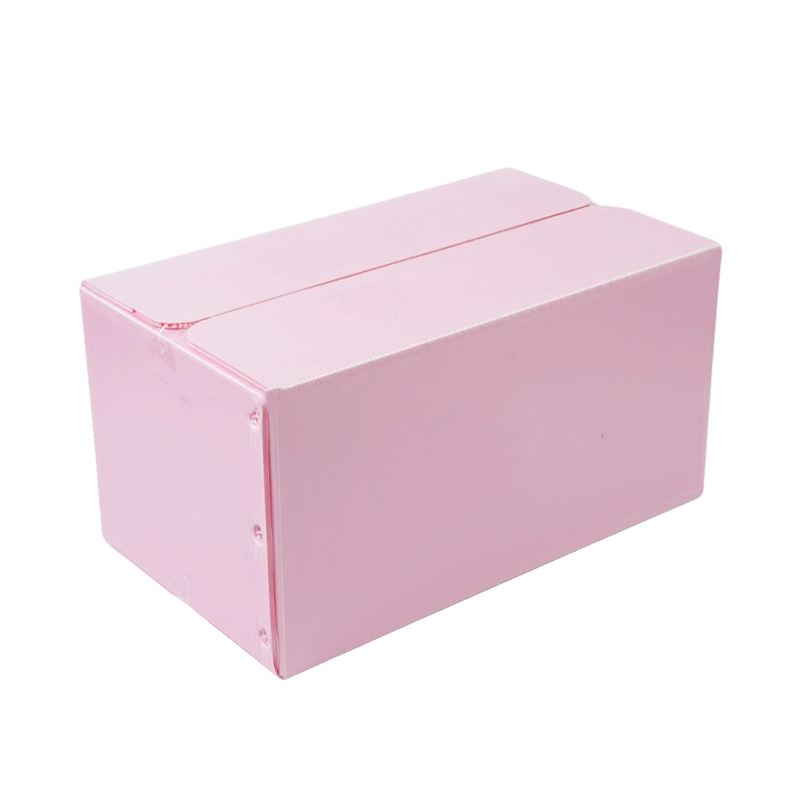
Unlike traditional materials that degrade under stress, the corrugated plastic box is constructed from twin-wall polypropylene (PP) or polyethylene (PE) sheets. This configuration provides a unique blend of rigidity and flexibility, making it suitable for demanding applications ranging from automotive parts logistics to cold chain distribution. The core question for supply chain managers is no longer simply about containing a product, but about optimizing the entire lifecycle of the packaging itself.
The primary advantage of a corrugated plastic box lies in its exceptional structural integrity. Where conventional cardboard boxes are susceptible to crushing, tearing, and degradation, corrugated plastic maintains its shape under heavy loads and rough handling. This durability translates directly to enhanced product protection.
The fluted design of the plastic sheets provides a high strength-to-weight ratio. This allows for stable stacking, which is critical in automated warehouses and high-density storage systems. While a cardboard box might collapse under the weight of heavy items or uneven pressure, a corrugated plastic box offers reliable stacking stability. Some designs are engineered to handle thousands of cycles without losing structural integrity.
One of the most significant drawbacks of fiber-based packaging is its vulnerability to moisture. Humidity, rain, or condensation can rapidly weaken cardboard, leading to product damage and safety hazards. The corrugated plastic box is inherently water-resistant and impervious to humidity. This feature is invaluable for industries such as agriculture, seafood processing, and cold chain logistics, where products are frequently exposed to wet or chilled environments.
Additionally, these boxes offer resistance to oils, chemicals, and abrasion. This prevents the degradation that occurs with cardboard when exposed to grease or industrial solvents, making them suitable for manufacturing and automotive environments.
While the initial cost of a corrugated plastic box is higher than a single-use cardboard box, the long-term economic benefits are substantial. The financial model shifts from a "cost-per-box" to a "cost-per-use" metric.
A well-maintained corrugated plastic box can last for years, handling hundreds or even thousands of trips. Unlike single-use fiberboard, which is quickly discarded after one or two shipments, plastic boxes are designed for repeated use within closed-loop supply chains. Industry data suggests that these containers can withstand a service life of 7 to 10 years or more under normal operating conditions.
The total cost of ownership is significantly lower over time. Although a corrugated plastic box costs more upfront than cardboard, the return on investment is often realized within 30 cycles or fewer. By eliminating the constant expense of repurchasing disposable boxes, businesses can realize substantial savings in packaging procurement and disposal costs.
Key Economic Indicators: For a business shipping 1,000 units per week, switching to a reusable corrugated plastic box can reduce annual packaging costs by 30% to 50% when factoring in the avoidance of disposal fees and reduced material ordering.
Sustainability is a critical driver in packaging innovation. The corrugated plastic box offers distinct environmental advantages over traditional fiberboard.
Cardboard manufacturing is resource-intensive. The production process consumes billions of gallons of water and requires significant energy inputs. By contrast, the durable nature of corrugated plastic reduces the demand for continuous raw material extraction. Comparative analyses indicate that reusable plastic boxes can reduce cumulative energy consumption and solid waste generation by over 60% compared to disposable fiber boxes.
While not biodegradable, corrugated plastic boxes are 100% recyclable. Made predominantly from polypropylene (PP #5), they can be reground and reprocessed into new raw materials at the end of their useful life. This recycling process is most efficient when the material is clean, dry, and free of contaminants. By participating in closed-loop recycling programs, companies can significantly reduce their environmental impact.
The operational benefits of corrugated plastic extend to labor handling and warehouse efficiency.
Despite its strength, corrugated plastic is lightweight. This reduces the overall weight of shipments, leading to lower freight costs. It also reduces the physical strain on warehouse workers, minimizing the risk of ergonomic injuries associated with lifting heavy loads.
Modern corrugated plastic boxes often feature collapsible designs. These "fold-flat" boxes can be shipped back empty in a compact form, maximizing return logistics efficiency and minimizing cube waste. This is particularly beneficial for companies with complex reverse logistics operations.
The adaptability of the corrugated plastic box makes it a standard across diverse sectors.
Furthermore, customization options are extensive. Businesses can select specific sizes, colors, thicknesses (typically ranging from 3mm to 10mm), and even fire-retardant additives. The smooth surfaces also offer high-quality screen printing capabilities for branding and tracking.
Depending on the application and handling, these boxes are designed to last for several years. In many logistics loops, a lifespan of 7 to 10 years is standard, with some units surviving thousands of trips.
While the upfront purchase price is higher, the cost-per-use is dramatically lower. The investment is typically recovered within 20 to 30 uses, after which the box generates significant savings compared to continuously purchasing new cardboard boxes.
Yes. While they are plastic, their reusability significantly reduces waste. Additionally, they are made from polypropylene or polyethylene, which is fully recyclable at the end of its service life, contributing to a circular economy.
Yes, this is one of their primary advantages. They are 100% waterproof and unaffected by humidity, making them ideal for cold storage, agriculture, and outdoor logistics.
Absolutely. The surface of the corrugated plastic sheet is ideal for high-quality printing. This allows for branding, color-coding, and the application of handling instructions or barcodes for better inventory management.
It refers to the fluted or ribbed structure between two flat plastic sheets. This design provides rigidity and impact resistance while keeping the overall weight light, similar in concept to corrugated cardboard but with superior material properties.
Products
Contact Us
Email: jiangjufang@zpslc.com
FAX: +86-573-85767773
Phone: +86-18957319083
Tel: +86-573-85761221
WhatsApp: +86-13356049083
Wechat: +86-13355839083
Address: No. 188 Guangyuan Road, Guangchen Town, Pinghu City, Zhejiang Province, China

 English
 Français
 Español
 عربى
عربى
 Deutsch