jiangjufang@zpslc.com
+86-18957319083
Content
Seafood packaging has to work in two directions: protect perishable product on the way to market, then handle empty containers for the next trip. That is why the comparison between waterproof plastic seafood boxes and EPS foam boxes usually comes down to two operational pain points: sanitation and return logistics. EPS foam boxes are inexpensive, light, and widely available, but they are not designed for repeated wet service. Corrugated polypropylene seafood boxes, in contrast, are built for washdown, stacking, and backhaul. The right choice is not the cheapest first trip; it is the container that keeps seafood safe while keeping the packaging cycle moving.
Sanitation is the first area where seafood boxes are separated. Fresh fish, shellfish, and ice water release proteins, fish oils, and bacteria that collect on any surface. The packaging must be easy to rinse and dry thoroughly. This is especially important when boxes are cleaned in a central wash bay and reused.
EPS foam boxes start with a light and insulative structure, but the foamed surface is not ideal for repeated sanitation. Knife cuts, crushed edges, and rough pallet handling create cracks and dents. Liquids can be trapped in damaged foam, and odor becomes difficult to remove. One-way use avoids the cleaning problem, but creates a disposal problem.
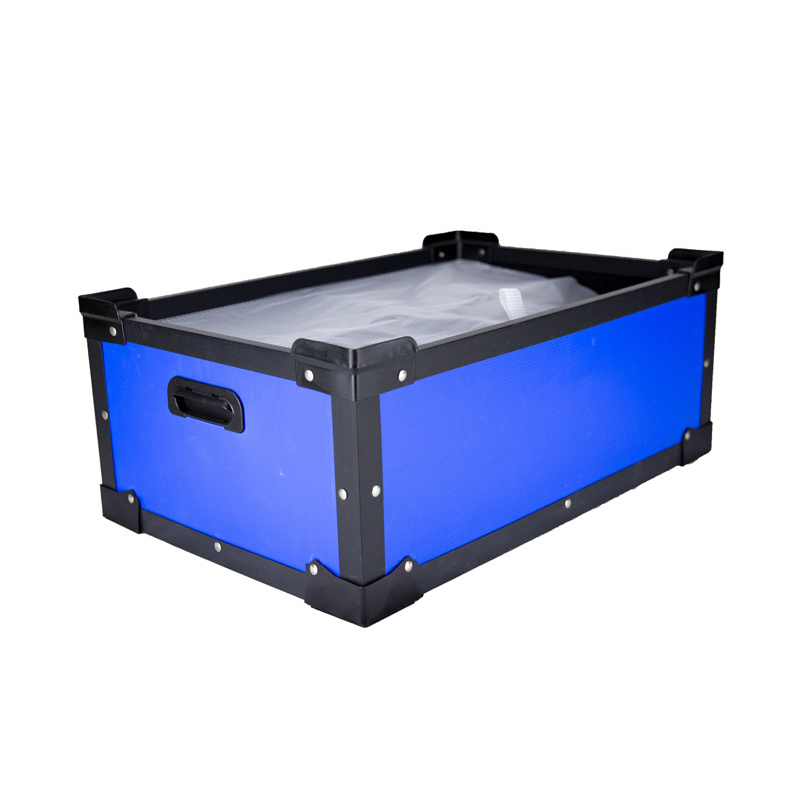
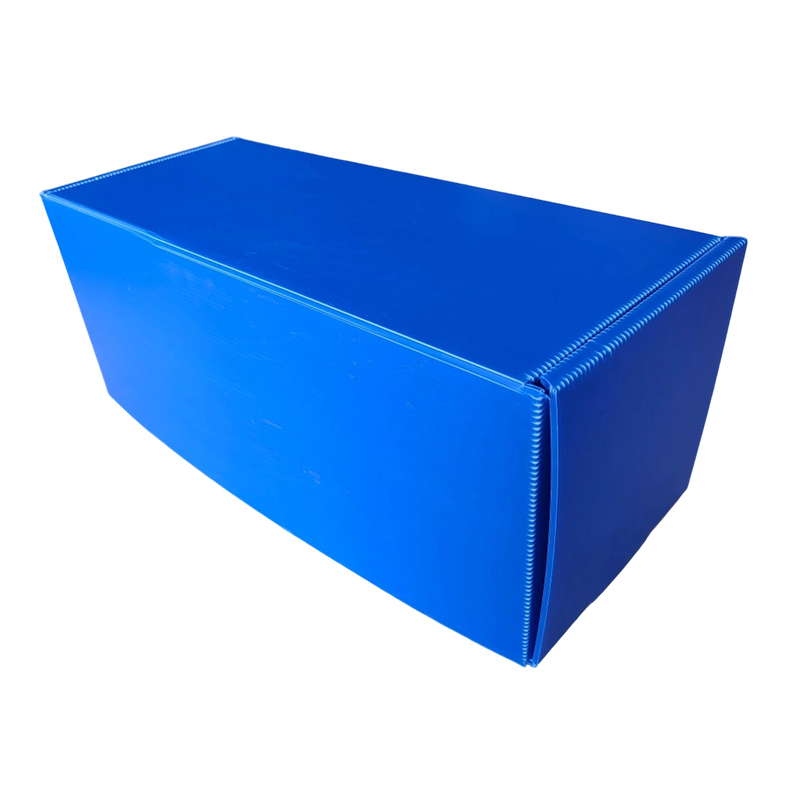
A waterproof PP seafood box made from corrugated polypropylene has a dense, moisture-resistant structure. Its surface does not soften when ice water builds up, and the material can be washed with detergent, warm water, and an approved disinfectant. For wet seafood runs, a moistureproof stackable corflute plastic seafood box is designed to stay rigid while holding crushed ice and catch. Because it does not absorb fish juice, the cleaning cycle is faster and more reliable.
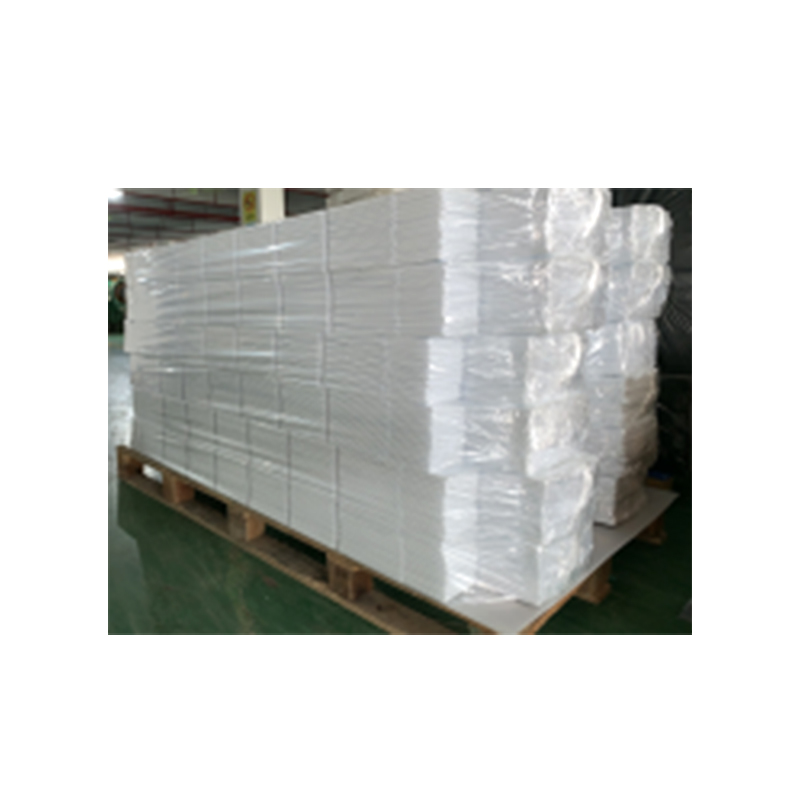 Moisture-proof Stackable Corflute Plastic Seafood BoxThis waterproof corrugated polypropylene seafood box resists moisture, holds crushed ice, and stacks securely, making it a practical reusable alternative to one-way EPS foam containers for wet seafood logistics.View Product →
| Sanitation Factor | Waterproof Plastic Seafood Box | EPS Foam Box |
|---|---|---|
| Water absorption | Non-absorbent PP surface | Porous surface can absorb liquid |
| Cleaning method | Detergent, warm water, disinfectant | Difficult to sanitize once contaminated |
| Odor retention | Low | Can retain fish odors |
| Durability in wet handling | High impact and moisture resistance | Prone to cracks, dents, and crushing |
| Intended life cycle | Reusable after washdown | Normally single-use |
If a box cannot be cleaned, it cannot be a returnable box.
Return logistics is where the two packaging models diverge sharply. An EPS foam box is normally one-way. Once the seafood reaches the customer, the empty foam crate is compacted, recycled if a program exists, or hauled to waste. Every new shipment needs new boxes, and every empty unit consumes disposal capacity. In a busy seafood market, this quickly becomes a recurring purchase plus a waste stream.
Waterproof plastic boxes are built to be returned. They are washed at the destination or at a wash hub, nested inside each other when empty, and loaded on the backhaul truck. A well-designed PP seafood box keeps its stacking strength through many cycles. Instead of buying new foam for every batch, a seafood processor buys a set of reusable containers and runs them through the same return loop as pallets or insulated liners.
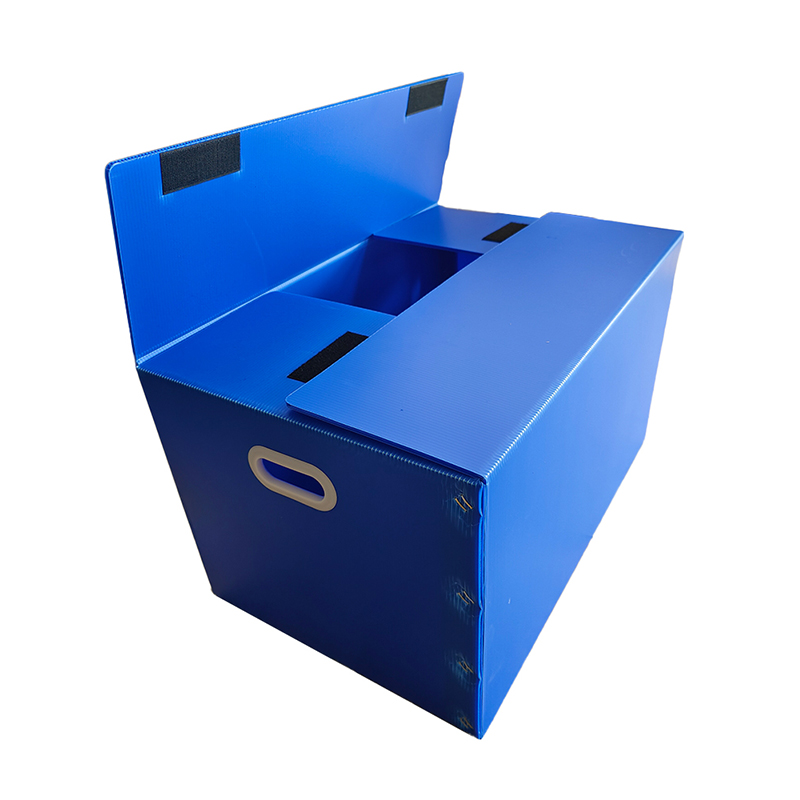
The empty-trip factor needs careful measurement. Storing and returning plastic boxes is only efficient if the box has a high nesting ratio and can be moved with a hand truck or automated conveyor. A reusable waterproof PP storage bin with a handgrip, for example, makes handling easier in a wet processing area. For seafood firms that already run consolidated trips to the same customers, return logistics becomes a simple add-on to the existing route.
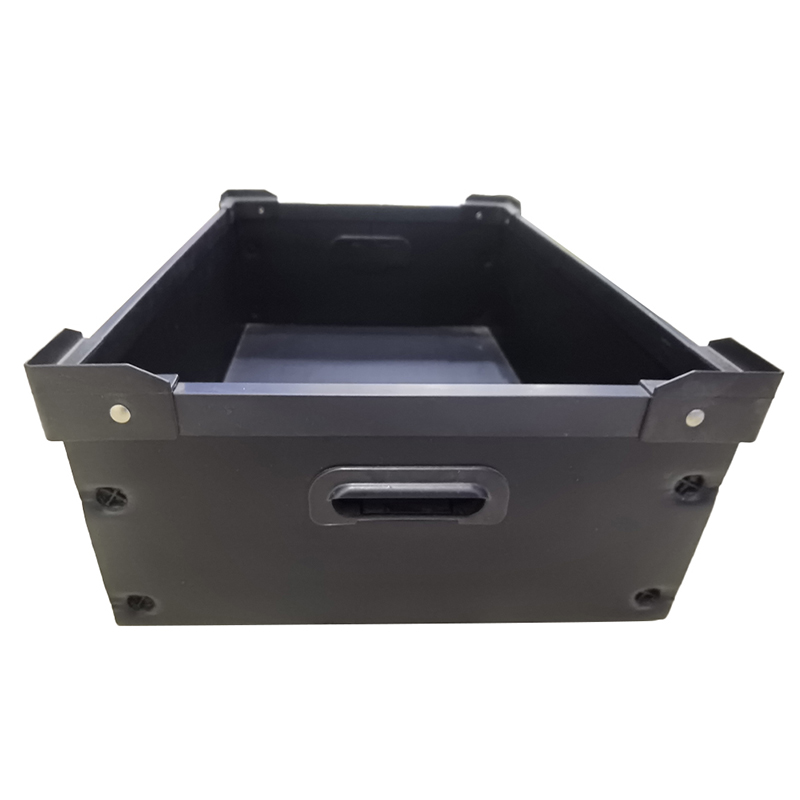 Reusable Waterproof PP Corrugated Storage Bin With HandgripThis durable polypropylene bin features integrated handgrips, a high nesting ratio, and easy cleaning, supporting efficient return logistics and reuse in consolidated seafood distribution routes.View Product →
Switching from EPS foam to a returnable system also supports broader sustainable packaging goals because it removes one-way waste from the supply chain.
Cost is not as simple as comparing the retail price of a foam box and a plastic box. A foam box appears inexpensive. The first purchase of a reusable PP seafood box is several times higher. But after the plastic box is washed and returned, its unit cost is spread over many shipments. The true comparison should include purchase frequency, sanitation labor, disposal fees, and the risk of contaminated foam affecting seafood quality.
A seafood processor that ships five days a week with multiple pallets per delivery will usually reach break-even quickly. An occasional exporter selling a few containers per month may not have a reason to manage empty returns. The decision depends on route stability and volume.
For the cost model, include the following items:
When you evaluate a waterproof plastic seafood box, look for features that support both hygiene and transport. The box should have no exposed paper or absorbent reinforcement. Corners should resist impact after repeated stacking. The lid or open top should fit the way you load the fish. A box with tapered side walls will nest more compactly when empty, while still stacking securely when full.
For icy, wet product, choose a PP container with a sealed or folded structure that limits liquid collection in the channels when it is inverted. For returnable programs, think about how the box will be lifted, inverted, and stacked in the wash bay. Add hand-holds if crew members will carry wet boxes. Often the most durable choice is not the thickest material but the design with a cleanable shape and good nesting ratio.
Although some handlers rinse EPS foam boxes, the porous surface is hard to sanitize fully, especially after contact with fish oils and ice water. Most seafood operations treat EPS foam as one-way packaging and switch to reusable PP containers for regular wet routes.
The waterproof PP surface does not absorb water or fish juices. The container can be washed with detergent, hot water, or an approved disinfectant, then rinsed and dried before the next use.
The upfront cost is higher, but the reusable design, sanitation performance, and reduced waste can lower the cost per trip. The two systems need to be compared over a full packing season, not on a single purchase.
Empty containers are nested or stacked, returned on a backhaul truck, washed at a central hub, and sent back to the seafood processor. This cycle works best when delivery routes are stable and volumes are high.
Selecting between waterproof plastic seafood boxes and EPS foam boxes depends on your washdown routine, return route, and cost per trip. Foam remains easy for occasional use, but a reusable, cleanable PP seafood crate pays off when seafood moves on a regular schedule. If you want to evaluate a moistureproof, stackable container for your own dock or distribution center, contact our team to discuss samples and logistics details.
Products
Contact Us
Email: jiangjufang@zpslc.com
FAX: +86-573-85767773
Phone: +86-18957319083
Tel: +86-573-85761221
WhatsApp: +86-13356049083
Wechat: +86-13355839083
Address: No. 188 Guangyuan Road, Guangchen Town, Pinghu City, Zhejiang Province, China

 English
 Français
 Español
 عربى
 Deutsch