jiangjufang@zpslc.com
+86-18957319083
Content
E-commerce fulfillment has transformed modern warehousing. With tighter delivery windows and thousands of small orders moving through a single facility, every container in the picking process must earn its place. For decades, the cardboard K-bin was the default option for small-parts storage and order picking. Today, however, a growing number of fulfillment centers are replacing cardboard K-bins with correx bins, rugged, reusable containers made from polypropylene (PP) hollow board. The shift is driven by practical economics: labor efficiency, storage density, hygiene, and total cost of ownership.
At first glance, corrugated cardboard K-bins look inexpensive. A low unit price, however, hides a much larger operational bill. In a busy fulfillment center, cardboard bins face conditions they were never designed to handle:
When a facility runs hundreds or thousands of picking locations, these small failures become a major drain. For many operations, the inexpensive cardboard bin becomes one of the most expensive items in the consumables budget.
Correx, also known as fluted polypropylene, twin-wall plastic board, or hollow board, is a lightweight thermoplastic sheet with a structure similar to corrugated cardboard. Instead of paper fluting, correx uses parallel flutes of polypropylene, giving it exceptional durability, moisture resistance, and reusability.
When formed into totes, trays, and containers, this material becomes what the industry calls correx picking bins. These containers combine the light weight of cardboard with the toughness of rigid plastic. Fulfillment centers use them for small-parts storage, pick-to-light systems, multi-level rack picking, and returns processing.
| Feature | Cardboard K-Bin | Correx Picking Bin |
|---|---|---|
| Moisture resistance | Poor | Excellent |
| Service life | Weeks to months | Years |
| Cleanability | Not washable | Easy to wipe or wash |
| Stacking and nesting | Rarely designed | Engineered for both |
| Safety | Staples and sharp flaps | Smooth, staple-free edges |
| Color options | Brown only | Multiple colors |
| End-of-life | Short cycle, high waste | Recyclable PP, long cycle |
The transition is not a trend but a response to measurable operational pressure. As order volumes grow and margins tighten, fulfillment managers are adopting containers that work harder, last longer, and fit better into shelf and rack systems.
A correx picking bin is designed for repeated handling. Its twin-wall structure absorbs impacts without splitting, and its corners remain intact after thousands of cycles. Where a cardboard K-bin may be replaced every few weeks, a heavy-duty polypropylene bin can remain in service for years, dramatically reducing consumables purchasing and the labor needed to swap bins in and out of the picking flow.
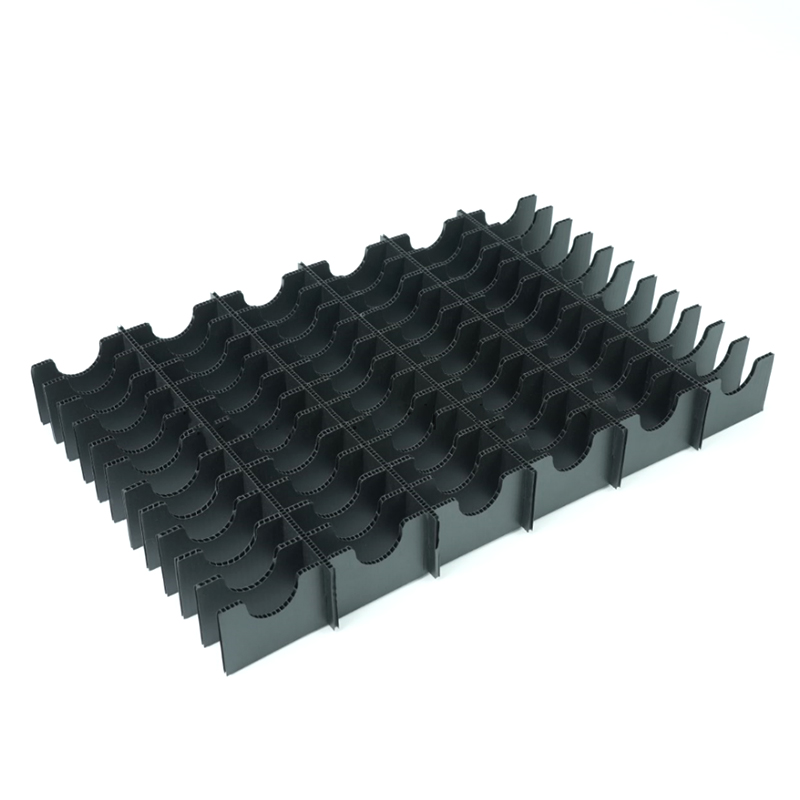
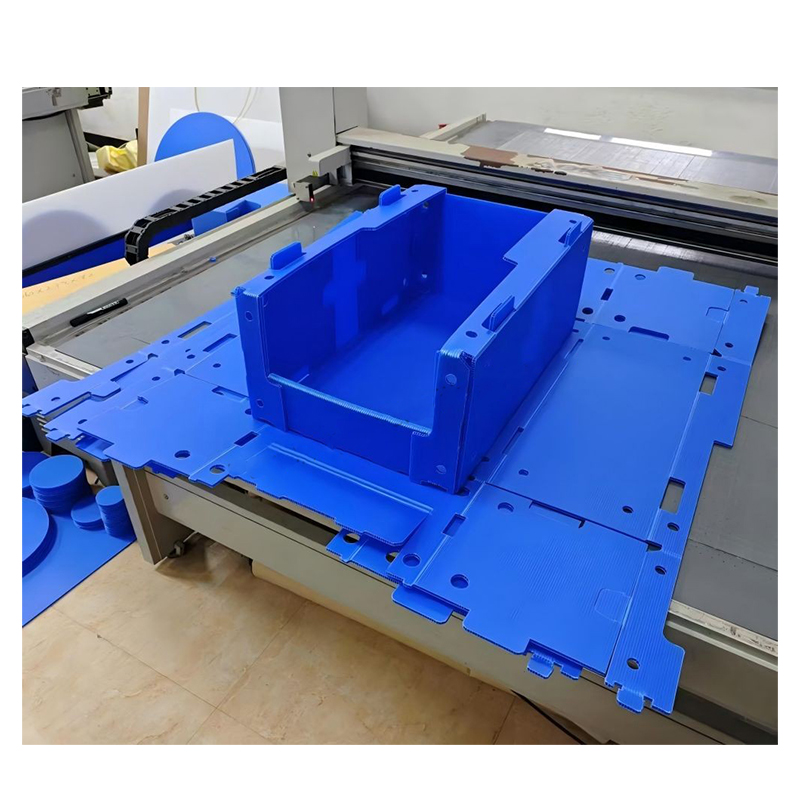 Heavy Duty Corrugated Plastic Picking BinsBuilt from thickened PP corrugated material, these bins offer high load-bearing strength and impact resistance for frequent warehouse picking. Reinforced edges and integrated molding support stable multi-layer stacking, while waterproof, chemical-resistant construction suits demanding environments like cold storage.View Product →
Fulfillment centers measure cost per cubic meter. Cardboard bins, with their irregular sizing and crushable walls, waste vertical space and create unstable stacks. Correx bins solve both problems: nestable models fit inside one another when empty, reducing return-trip volume by up to 70 percent, while stackable models support secure racking with loaded goods.
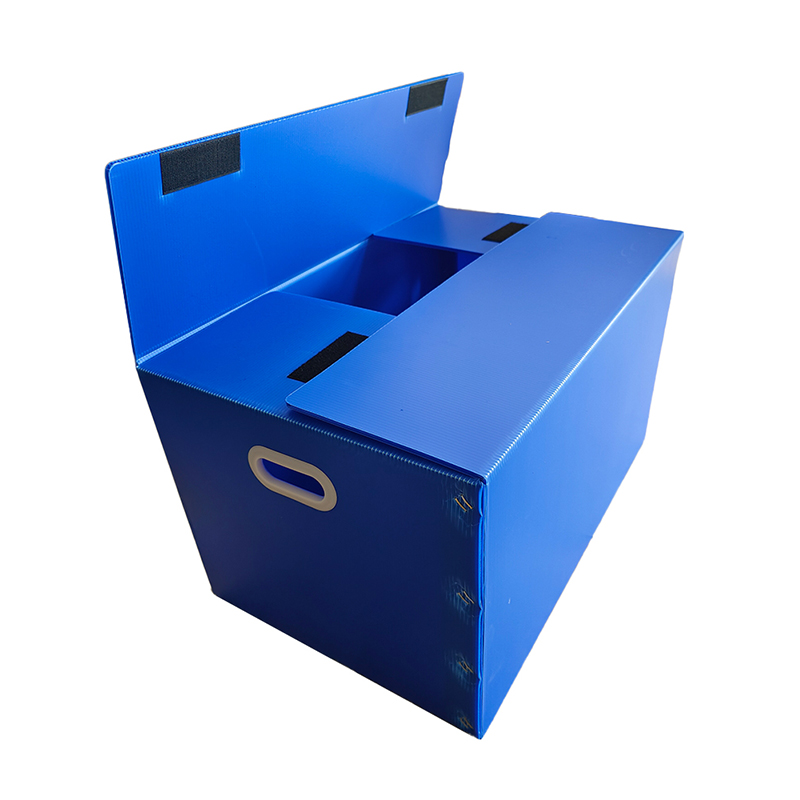
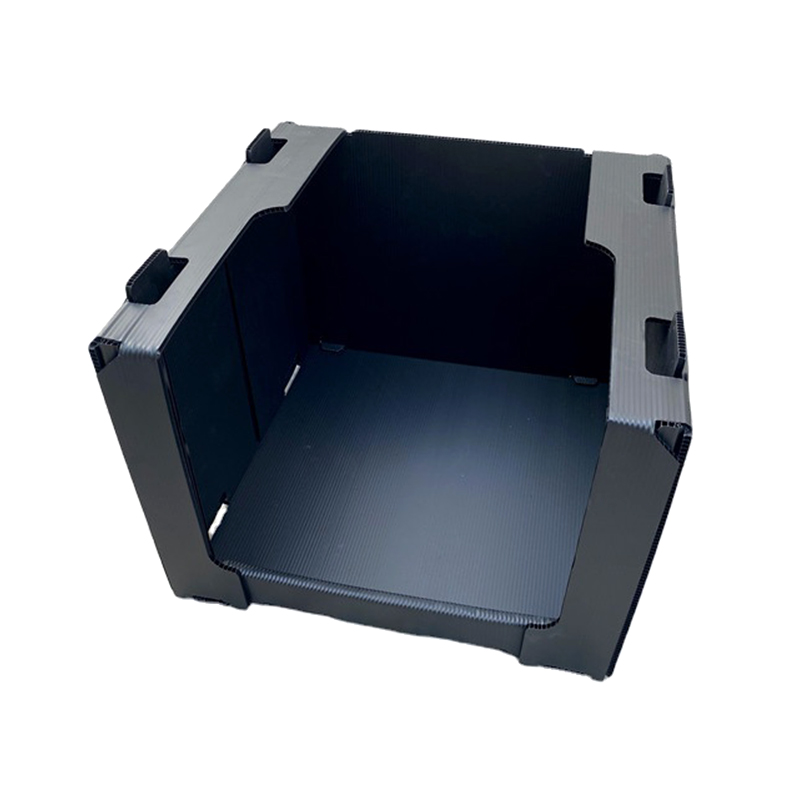 Nestable Corflute Hollow Board Pick BinThis nestable pick bin uses a tapered PP hollow structure that stacks when empty, saving up to 70 percent storage space. Its wide angled front opening enables fast picking even when stacked, and the lightweight but durable material supports over a thousand reuse cycles.View Product →
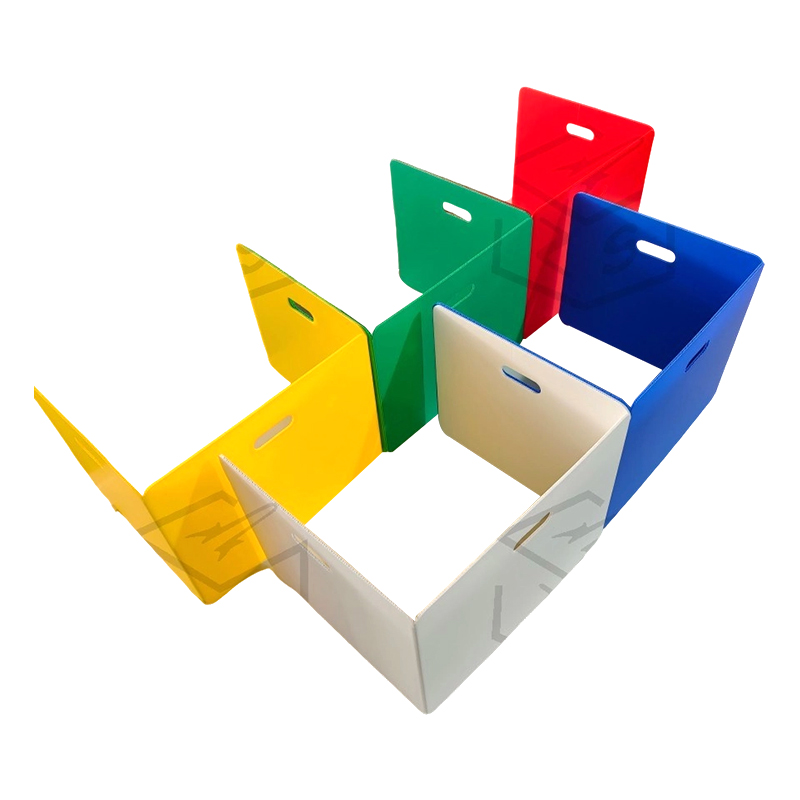
The human eye processes color faster than text. Sorting hundreds of bins by printed labels is slower and more error-prone than using color zones. Correx bins can be produced in multiple colors, allowing managers to assign a color to each SKU family, picking zone, or priority level. Pickers simply reach for the right color instead of reading a label.
Warehouse conditions are rarely perfectly dry. A correx bin does not absorb water or harbor dust, and it can be wiped clean in seconds. For facilities handling dusty or damp environments, this alone justifies the switch from cardboard.
Cardboard K-bins frequently develop sharp edges and exposed staples. Correx bins with smooth formed edges and integrated hand holes reduce hand injuries and make high-throughput picking more comfortable. Their light weight also reduces cumulative strain on pickers who handle dozens of bins per hour.
The real question is not whether a cardboard bin is cheaper, but whether it is cheaper per picking trip. Correx bins win that calculation by a wide margin in high-volume operations.
The most common objection to correx bins is the upfront price. A polypropylene picking bin costs more than a cardboard equivalent at first, but the cost-per-use calculation tells the opposite story.
| Cost factor | Cardboard K-Bin | Correx Picking Bin |
|---|---|---|
| Initial purchase | Low | Higher |
| Replacement frequency | High, monthly in busy zones | Low, years of service |
| Replacement labor | Frequent | Minimal |
| Disposal cost | Recurring | Minimal |
| Five-year total cost | Repeated purchases plus labor | One-time investment, amortized |
Because correx bins last years rather than weeks, a single polypropylene container typically replaces dozens of cardboard units over its usable life. Warehouses also remove the waste stream of crushed, damp, or damaged cardboard, a real benefit for facilities pursuing sustainability initiatives. Since PP hollow board remains recyclable at end of life, the material keeps its value instead of becoming trash.
Making the switch is straightforward if you focus on a few key decisions:
For operations with clearly defined picking zones, color-coded correx totes are one of the fastest upgrades you can make. A dedicated color per zone turns spatial memory into speed.
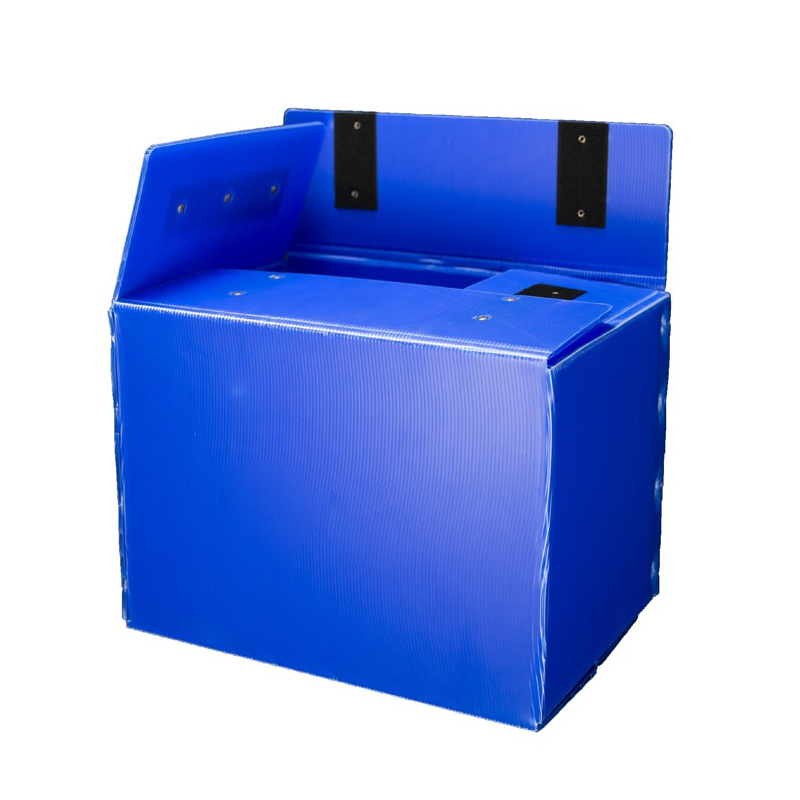
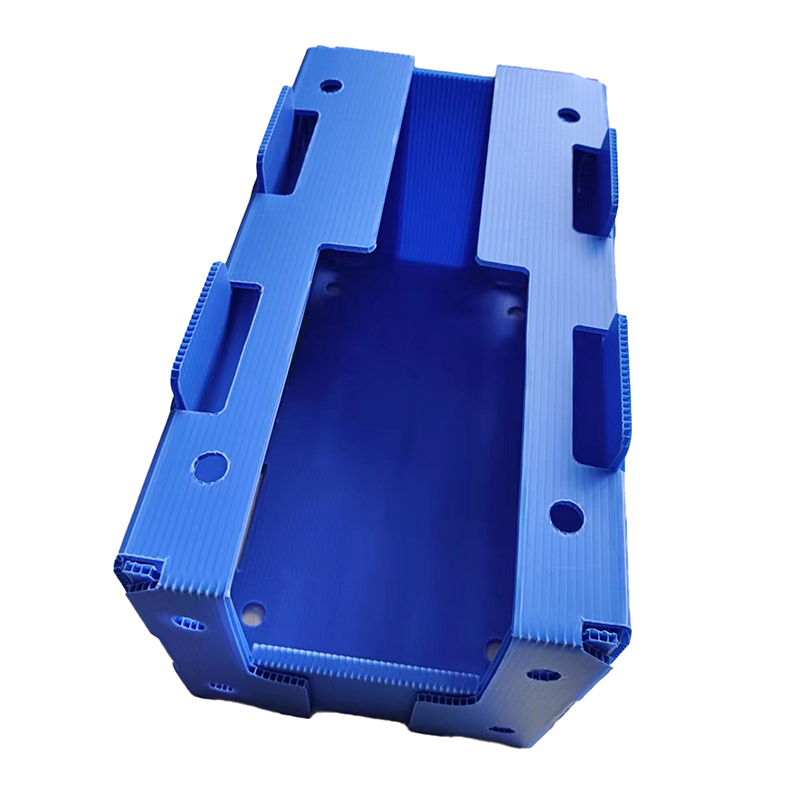 Multi Color Corflute Warehouse Picking ToteAvailable in multiple bright colors, this corflute tote supports instant visual categorization for faster picking and fewer errors. Made from waterproof, chemical-resistant polypropylene with a hollow profile, it is lightweight yet durable, and its open-front design allows easy item retrieval.View Product →
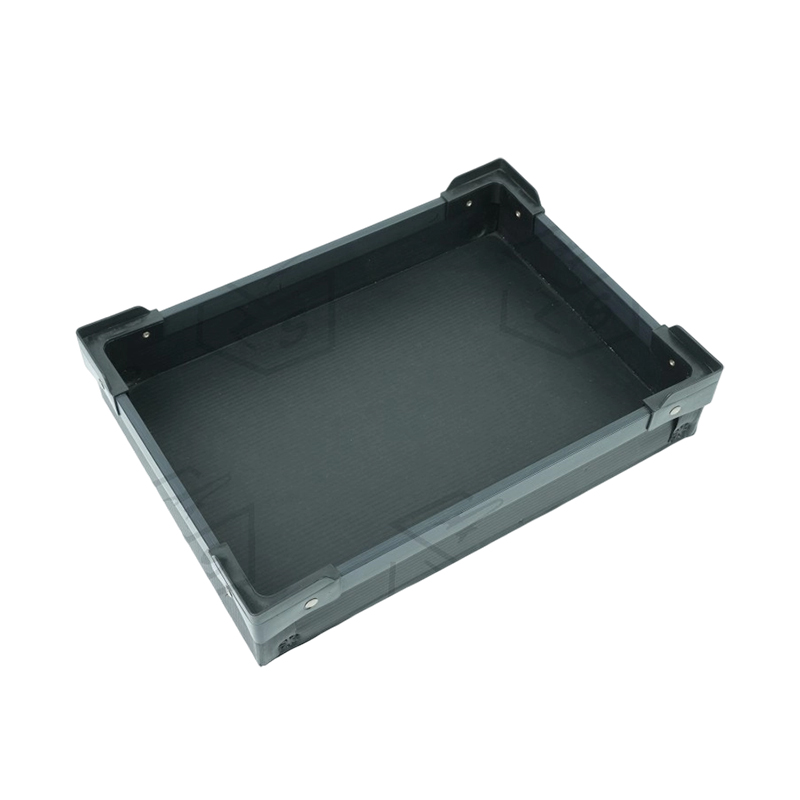
For mixed operations that handle electronics components, antistatic PP bins and ESD compartmentalized containers deliver the same reuse economics while protecting sensitive parts from static discharge.
Yes. Twin-wall polypropylene construction gives correx bins high impact resistance and structural rigidity while remaining light enough for manual handling. They withstand stacking, sliding, and repeated transport far better than cardboard.
Under normal warehouse use, a PP picking bin can last several years. The exact lifespan depends on load weight, temperature conditions, and handling intensity, but it is almost always measured in years rather than weeks.
Yes. Polypropylene is a recyclable thermoplastic. Because correx bins last much longer than cardboard bins, they generate significantly less waste over time, and at end of life the material can be processed into recycled PP.
Yes. Correx does not absorb moisture and is easy to wipe clean, making it a practical choice for humid, dusty, or high-washdown facilities.
The shift from cardboard K-bins to correx bins is one of the quiet but powerful improvements in e-commerce fulfillment. It lowers consumable costs, removes wasted labor, improves space utilization, and makes the working environment cleaner and safer. If your operation is still reordering cardboard bins every month, the switch to reusable PP hollow-board bins deserves a serious cost analysis. Speak with our team to compare sizes, colors, and stacking or nesting configurations for your specific racking layout.
Products
Contact Us
Email: jiangjufang@zpslc.com
FAX: +86-573-85767773
Phone: +86-18957319083
Tel: +86-573-85761221
WhatsApp: +86-13356049083
Wechat: +86-13355839083
Address: No. 188 Guangyuan Road, Guangchen Town, Pinghu City, Zhejiang Province, China

 English
 Français
 Español
 عربى
 Deutsch