jiangjufang@zpslc.com
+86-18957319083
Content
Return freight is one of the least visible costs in a reusable packaging program. When totes are empty, every truck, trailer, and pallet still costs money, yet the packaging itself is not generating revenue. Heavy-duty nesting tote boxes with hand holes change this equation: they take up less space when empty, they are easier for workers to handle, and they survive more trips without damage. The result is a measurable drop in freight return costs across the entire logistics loop.
Freight return costs are not just fuel and mileage — they include dimensional weight, damage replacement, labor, and empty cube that never earns revenue.
In a closed-loop packaging system, the same tote travels outbound full and inbound empty. The outbound trip is paid for by the product; the return trip is paid for entirely by the packaging. That return trip becomes expensive when totes are bulky, heavy, easily damaged, or difficult to stack inside a trailer.
Most warehouses’ freight return costs come from four sources: empty cube, weight, damage, and labor.
Choosing the right container changes all four variables. That is why many logistics teams are moving to heavy-duty corrugated plastic nesting tote boxes with reinforced rims and hand holes. Compare the difference in return trips:
| Comparison Factor | Standard Reusable Tote | Heavy-Duty Nesting Tote with Hand Holes |
|---|---|---|
| Empty return cube | High; stacking is often unstable | Low; nested units collapse into each other |
| Damage resistance | Limited | High; reinforced frames and PP hollow-board walls |
| Handling | Straps or two-hand carry required | Integrated hand holes for natural grip |
| Return freight cost | Higher per trip | Up to 30% lower per trip |
See our range of corrugated plastic nesting tote boxes to understand the design options available for your return loop.
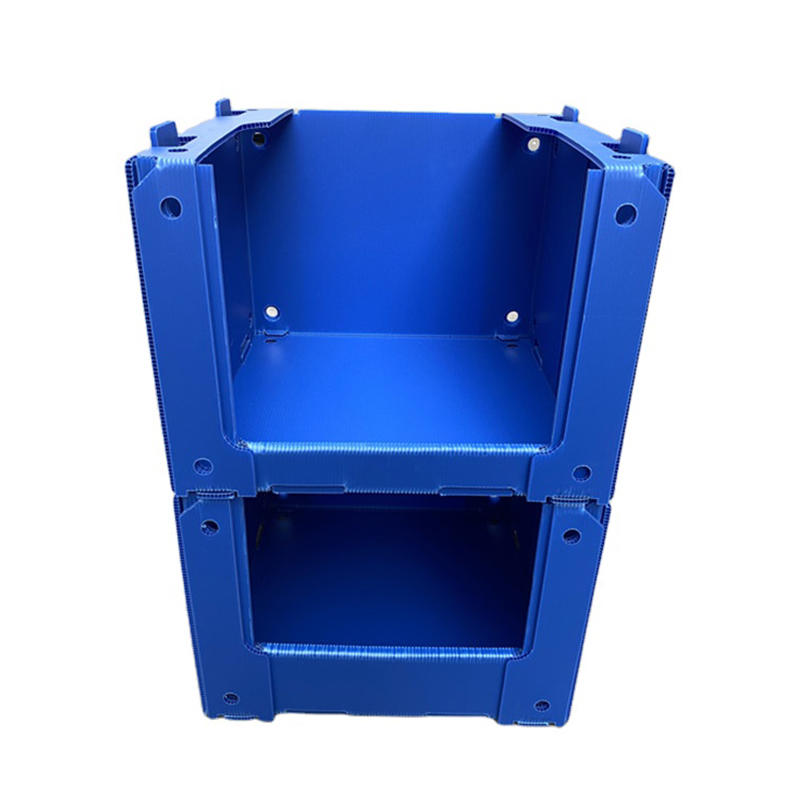
The biggest driver of freight return costs is cube. A stackable tote still contains a full cube on the return trip unless it can nest. Nesting tote boxes are tapered so that when one empty tote is placed inside another, the upper tote collapses into the lower one. The result is a dense stack that occupies a fraction of the original volume.
A typical heavy-duty nesting tote with hand holes can reduce empty storage and transport volume by 50–70%. This means fewer return trips, smaller trailers, and lower dimensional-weight charges.
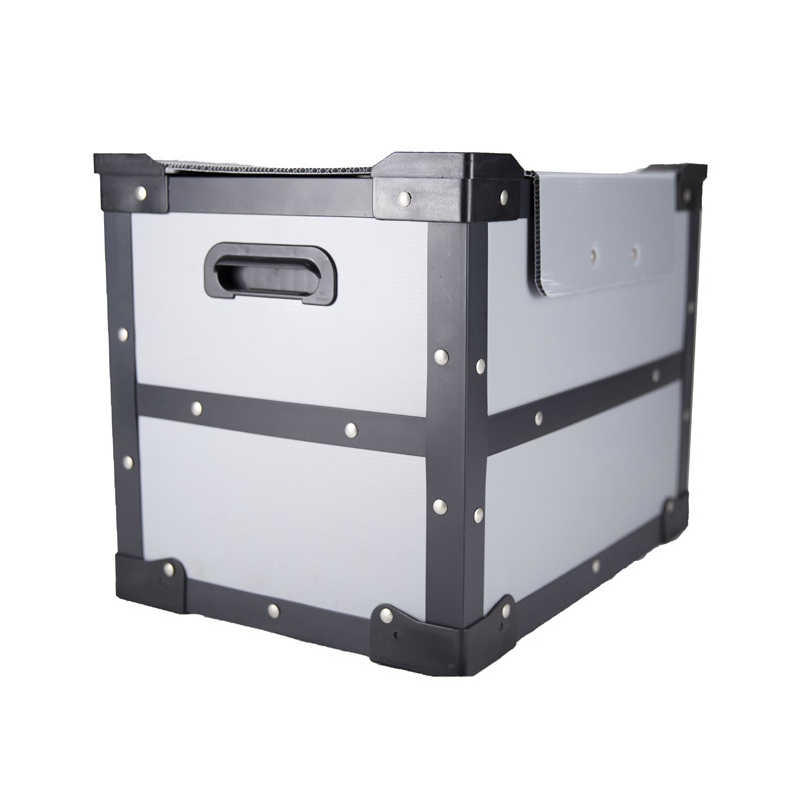
For example, our heavy-duty corrugated plastic nesting tote box uses a tapered hollow-board structure with a reinforced rim, so multiple empty units can be stacked inside one another without jamming or tipping.
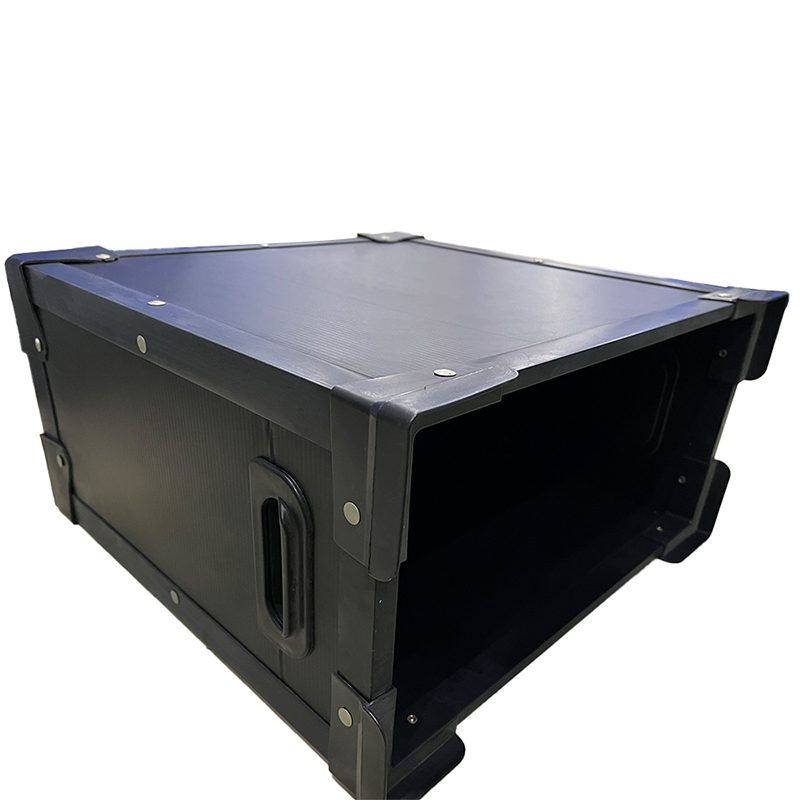 Heavy Duty Corrugated Plastic Nesting Tote BoxThis reinforced PP tote box offers high load capacity and moisture resistance while its nesting design saves up to 70% space, making it ideal for closed-loop logistics.View Product →
Hand holes may look like a small detail, but they have an outsize effect on freight return costs. When workers can grip a tote naturally and securely, packages are less likely to be dropped, equipment is less likely to be damaged, and loading speeds increase.
Ergonomic hand holes also reduce the awkward pinching and bending motions that cause fatigue. Faster, safer handling translates into fewer accidents, less breakage, and lower labor cost per return trip.
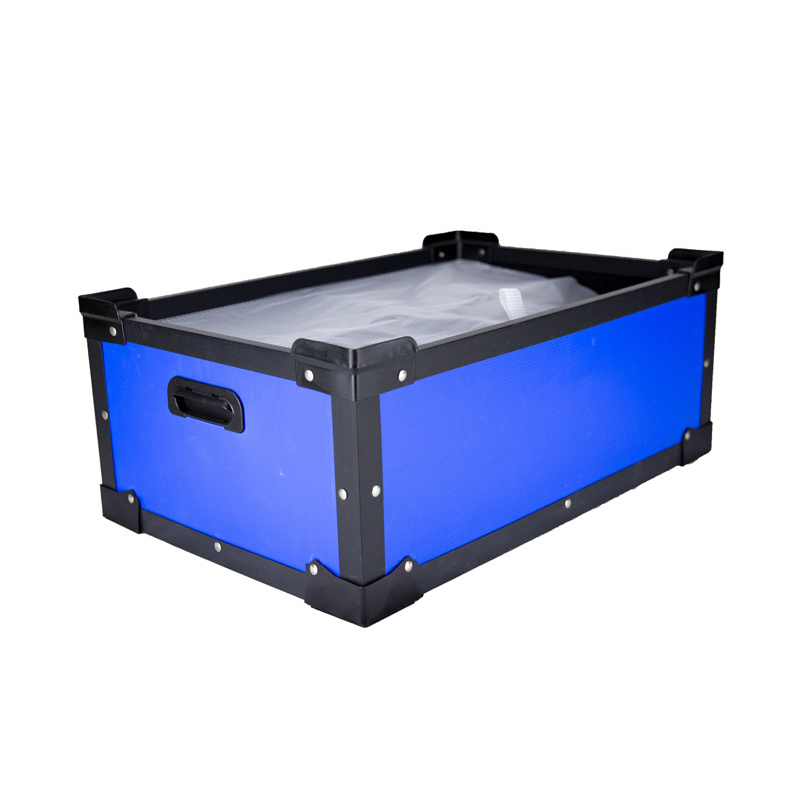
For wet or dusty warehouse environments, a waterproof corrugated plastic nesting tote box with hand hole is particularly practical. The molded openings sit below the rim, keep rainwater out, and are easy to clean before the tote is shipped back.
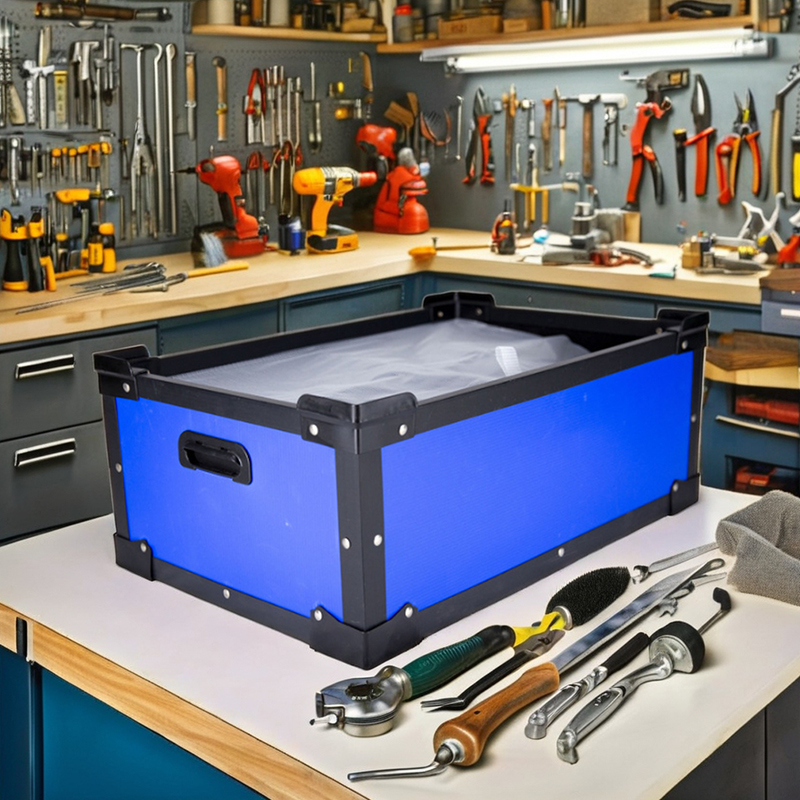 Waterproof Corrugated Plastic Nesting Tote Box With Hand HoleWith ergonomic hand holes and a waterproof, nestable structure, this tote suits wet or dusty environments and helps reduce return freight costs during reusable packaging cycles.View Product →
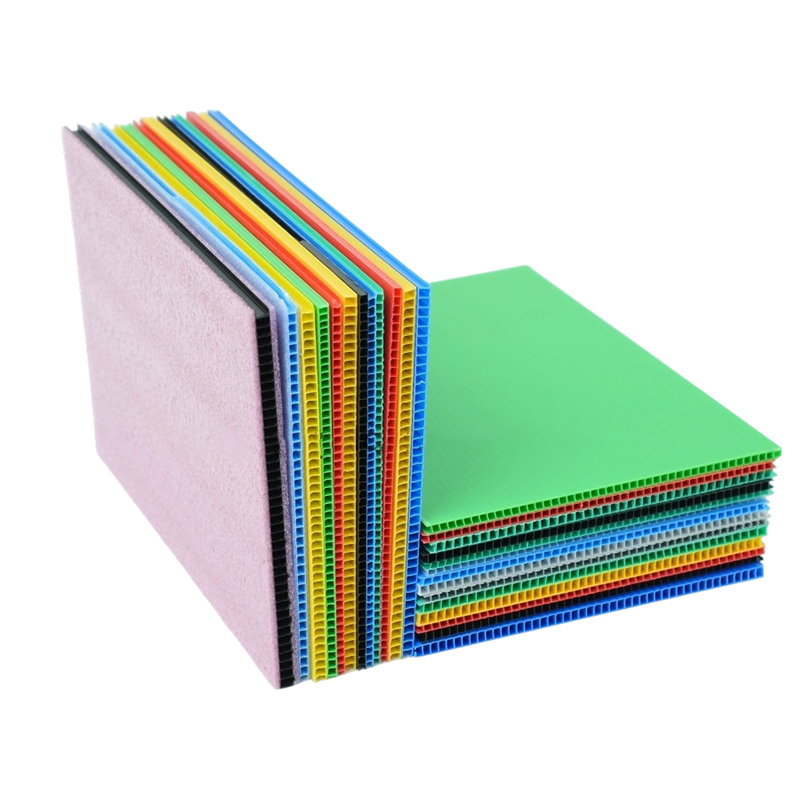
Every damaged shipment is a potential return cost in two ways: the shipping cost is wasted, and the claim process adds administrative, replacement, and reputational expenses. Heavy-duty nesting tote boxes are built from polypropylene hollow board, a material that is lightweight yet tough enough to absorb impacts during transit.
Reinforced rims, framed edges, and thick walls let these totes withstand repeated stacking loads. Unlike single-wall plastics or flimsy corrugated fiberboard, PP hollow board does not soften when wet, which matters for return trips in open trailers or humid storage areas.
A reinforced framed corrugated plastic nesting tote box, for example, is designed for heavy loads and repeated use. It keeps its shape through hundreds of cycles, reducing the need for premature replacements.
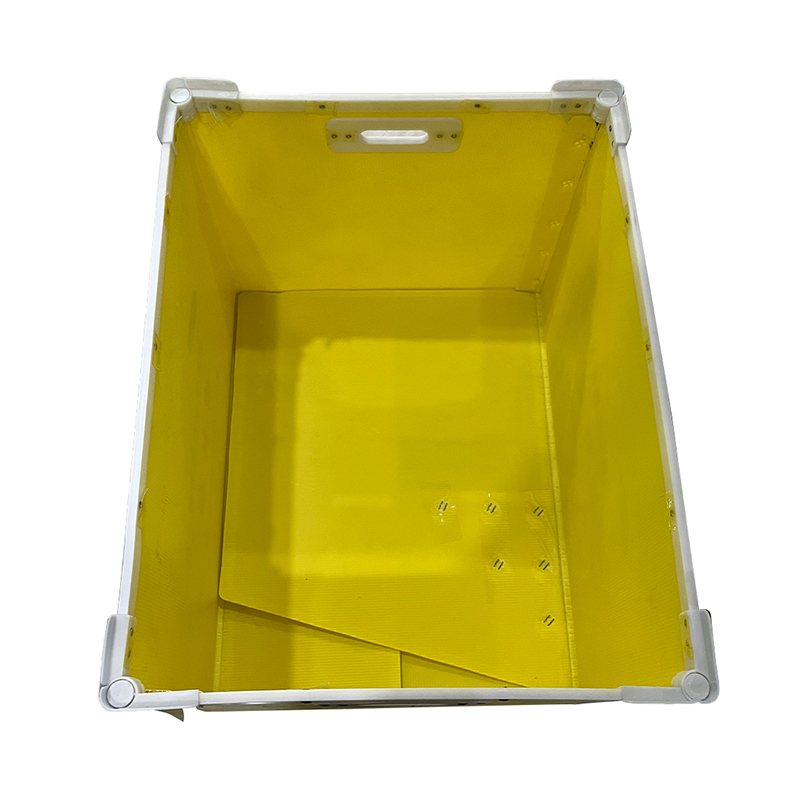 Reinforced Framed Corrugated Plastic Nesting Tote BoxA durable, framed PP tote that resists bowing and supports repetitive heavy use. Its nesting body and ergonomic handles improve dock throughput and shrink return storage needs.View Product →
Nesting design and hand holes work together in a closed-loop system. When empty totes nest, a single trailer can carry the volume that previously required two or three trailers. When workers can grab totes quickly, dock throughput rises and the time window for returns shrinks.
An efficient return system also depends on consolidation. Standardized heavy-duty totes with hand holes sort easily at the receiving dock, can be washed and nested on the same line, and are ready for the next outbound load. This consistency creates measurable savings across procurement, transport, and labor.
From a sustainability perspective, reusable nesting totes reduce corrugated waste and lower the carbon footprint of each return mile. Our manufacturing process produces totes from recyclable PP, and our in-house factory controls quality from extrusion to final assembly.
Nesting typically reduces empty transport volume by 50–70% compared with stack-only totes. The exact saving depends on the tote’s taper angle and the trailer’s load configuration.
Yes, when designed correctly. Hand holes on heavy-duty totes are positioned at the balance point and sized for gloved hands. For extremely heavy loads, use two-person carries or lift-assist tools.
Many models have smooth exterior surfaces and consistent dimensions that work with roller conveyors and automated guided vehicles. Check the tote’s rim design and dimensional tolerance.
In normal warehousing duty, polypropylene hollow-board totes last for hundreds of return trips, especially when reinforced rims and framed edges protect the high-wear areas.
Heavy-duty nesting tote boxes with hand holes are not merely a packaging upgrade; they are a cost-engineering tool for logistics managers. By attacking empty cube, handling losses, and damage claims at the same time, they reduce the total cost of every return loop. If you are ready to benchmark your current return freight, ask our team how a tailored nesting tote design could perform in your network.
Products
Contact Us
Email: jiangjufang@zpslc.com
FAX: +86-573-85767773
Phone: +86-18957319083
Tel: +86-573-85761221
WhatsApp: +86-13356049083
Wechat: +86-13355839083
Address: No. 188 Guangyuan Road, Guangchen Town, Pinghu City, Zhejiang Province, China

 English
 Français
 Español
 عربى
 Deutsch