jiangjufang@zpslc.com
+86-18957319083
Content
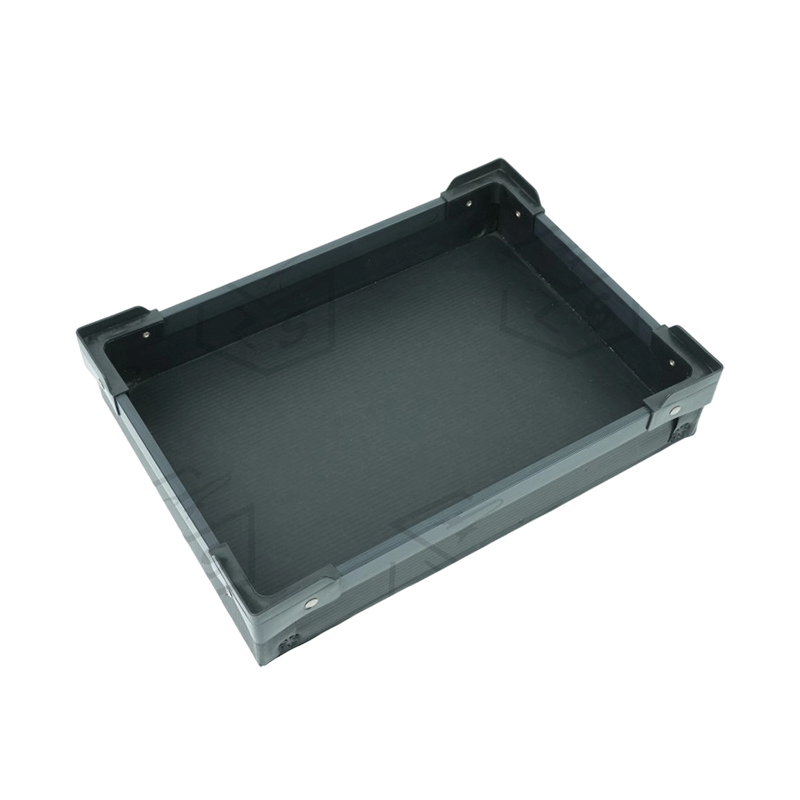
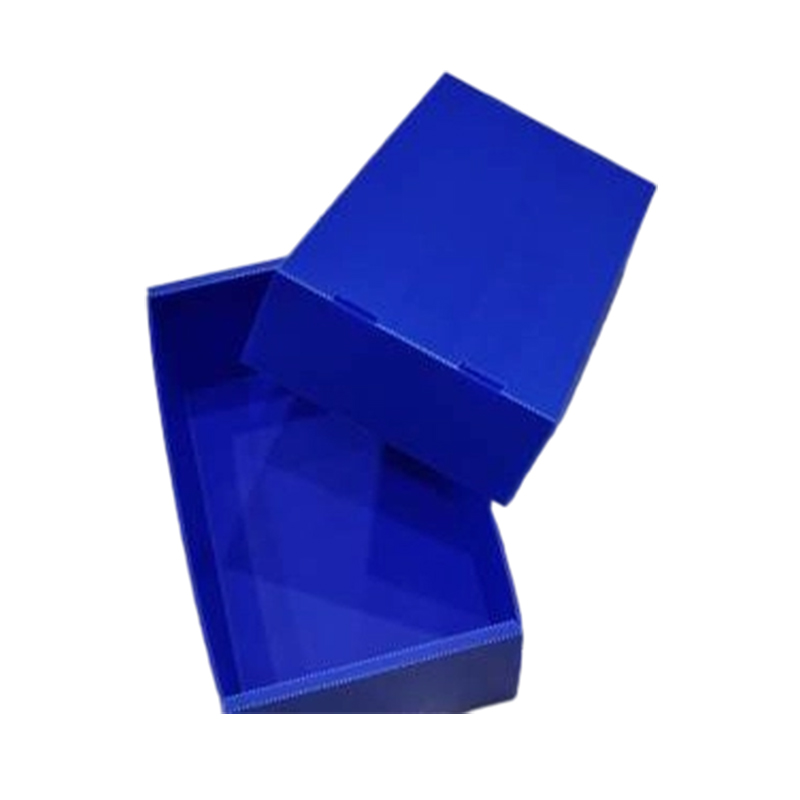
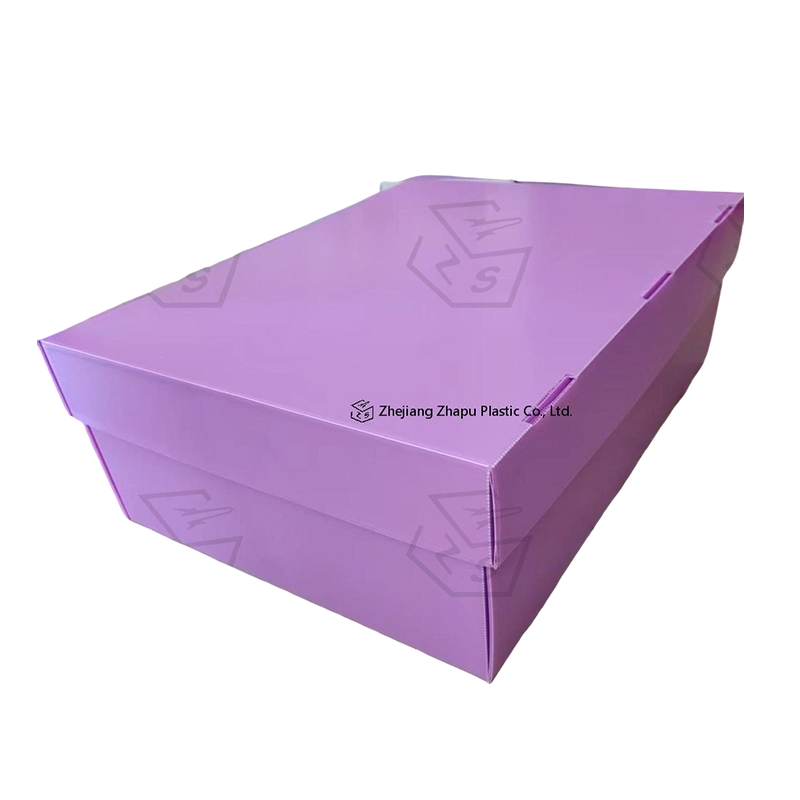
Warehouse environments rarely offer ideal conditions. Dust from packaging, cardboard particles, and incoming goods settles on every surface, while humidity, leaks, and seasonal dampness threaten inventory integrity. For fulfilment centres, third-party logistics providers, and e-commerce operations, selecting the right storage bin is a decision that directly impacts picking efficiency, product protection, and replacement costs. Correx Picking Bins have gained significant traction in the logistics industry, largely because they are designed to perform where traditional storage solutions fail. This article provides a technical examination of how these plastic bins resist dust accumulation and moisture ingress, comparing them directly with cardboard alternatives under real-world warehouse stressors.
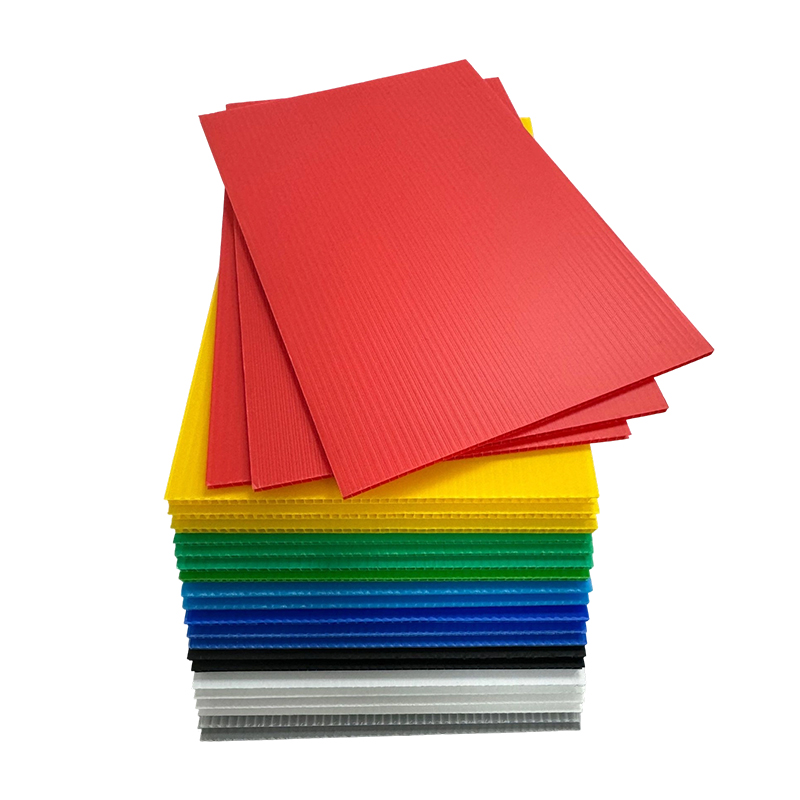
Understanding how Correx bins perform requires examining the material itself. Correx is a twin-wall polypropylene sheet, a fluted plastic structure similar to corrugated cardboard but fundamentally different in its molecular composition. Polypropylene is inherently hydrophobic, meaning it repels water rather than absorbing it, and its non-porous surface prevents dust particles from embedding into the material. Unlike cardboard, which is made from cellulose fibres that readily absorb moisture and provide a textured surface for dust to cling to, Correx bins are manufactured from a dense, extruded plastic sheet that offers no purchase for contaminants.
Dust and dampness often carry chemical residues or create conditions for mould and mildew. The non-reactive nature of polypropylene ensures that Correx bins resist degradation from most common warehouse chemicals, cleaning agents, and organic growth. This chemical stability is crucial for maintaining structural integrity over years of service. The smooth, non-porous walls of Correx bins allow for simple wipe-down cleaning using standard warehouse cleaning cloths or pressure washing without damaging the material. This ease of sanitisation is a critical advantage in food-grade or pharmaceutical storage applications where dust and biological contaminants are strictly regulated.
Dust in warehouses originates from multiple sources: cardboard packaging breakdown, incoming shipments, forklift tyre wear, floor abrasion, and external particles entering through loading bays. This particulate matter is not just a housekeeping issue; it can cause respiratory problems for staff, contaminate sensitive products, and lead to increased cleaning costs and equipment malfunctions. Correx bins offer both passive and active solutions to these challenges.
One of the most overlooked sources of dust in a warehouse is the storage bin itself. Cardboard bins, over time, shed fibres at their cut edges and corners. Every time a picker pulls a box from a rack or places it back, microscopic cellulose fibres break loose, contributing to the ambient dust load. Correx Picking Bins eliminate this source entirely. The fluted polypropylene edge is sealed and does not fray or degrade under normal handling, meaning the bins do not generate dust. They simply hold and protect contents without becoming a secondary contamination source. This characteristic is particularly valuable in cleanroom environments or for electronics and food storage.
While passive reduction is crucial, dust still enters the warehouse. The smooth surface of Correx bins means accumulated dust does not adhere strongly. A quick wipe during restocking cycles easily removes surface dust, preventing it from transferring to goods. Unlike the porous texture of cardboard, which traps dust particles and becomes increasingly soiled over time, Correx maintains a cleanable surface for its entire lifespan. This reduces the frequency and intensity of warehouse cleaning cycles, directly impacting operational costs.
| Property | Correx Picking Bin | Cardboard Bin |
|---|---|---|
| Surface Texture | Smooth, non-porous | Rough, fibrous |
| Dust Shedding | None | Continuous at edges |
| Dust Adhesion | Low (easily wiped) | High (embeds in fibres) |
| Reusable After Dust Event | Yes (wipe clean) | Often requires disposal |
Humidity, condensation, and flooding are persistent threats in warehouses. Moisture can enter through leaky roofs, open loading bays, or simply as atmospheric humidity on damp days. For businesses that experienced severe flooding and had stock ruined, the demand for watertight storage became a business-critical requirement. Correx Picking Bins are specified by insurers and warehouse operators specifically for their water-resistant construction.
The twin-wall extrusion process creates a solid plastic sheet with a hollow core. However, the material itself is completely impervious to water. When tested for waterproofing, Correx bins have been proven to be fully watertight, with structural integrity maintained even when submerged. This is not the case for cardboard, which absorbs water, loses structural rigidity, and often collapses under its own weight when wet. The flexibility of Correx also means it does not become brittle in cold, damp conditions, a common failure point for alternative plastic materials.
In environments with high relative humidity (RH), standard cardboard bins can absorb moisture from the air, leading to softened corners, loss of stacking strength, and contamination of contents. According to humidity control specialists, materials like steel and cardboard begin to degrade rapidly when RH exceeds 50-60%. Correx bins are unaffected by high RH. The polypropylene material does not absorb atmospheric moisture, ensuring that stacking strength and dimensional stability remain unchanged regardless of seasonal humidity swings. This makes Correx a reliable choice for warehouses without climate control, which are common in many industrial zones.
One documented instance from a major UK retailer highlighted the cost of flood damage. After experiencing significant stock losses during a severe flood, the company's insurers mandated watertight picking bins for all lower storage rack levels. Trials of injection-moulded plastics proved too expensive and brittle; cardboard was obviously unsuitable. Correx bins emerged as the only viable solution that was completely waterproof, flexible enough to withstand repeated picking operations, and cost-effective. This demonstrates that for businesses facing flood risks, Correx bins are not a convenience but a requirement for business continuity.
It is a common misconception that Correx picking bins are more expensive than cardboard. While the initial capital outlay is higher, the total cost of ownership tells a different story. Cardboard bins have a notoriously short lifespan in busy, dusty, or damp warehouses. They tear at the corners, lose structural integrity when pulled from racking, absorb moisture, and become unsightly and unhygienic. They require constant replacement.
Consider a warehouse that replaces cardboard picking bins every 6 to 12 months due to wear, dust contamination, and moisture damage. Over a 3-year period, this could mean 3 to 6 orders of cardboard bins, each requiring labour for assembly, placement, and disposal. Correx bins, by contrast, are manufactured to withstand heavy usage. They are flexible and impact-resistant, meaning they do not crease or crack under the pushing and pulling of daily order picking. With a lifespan measured in years rather than months, the investment in Correx quickly pays for itself. Additional cost savings come from reduced cleaning costs (no dust shedding) and lower product damage rates (contents remain dry and dust-free).
Manufacturers have further refined Correx picking bins to enhance their performance in specific conditions. Options include:
Correx stackable pick bins can be integrated with racking systems and are designed with stability in mind. Integrated holes allow them to be cable-tied together, preventing shifting and dust ingress between bins. Stacking heights are often determined by access, not material failure, as the structural integrity of Correx remains consistent regardless of moisture content.
To improve inventory management in dusty or damp conditions, Correx bins can be manufactured with built-in label holders or custom printing directly on the plastic. This eliminates paper labels that can peel or smudge in humid environments. Coloured bins can be specified for stock segmentation, and the colour does not fade or bleed even when washed frequently.
Yes, the material is impervious to water. In testing, Correx bins have demonstrated full watertight integrity, meaning they can withstand immersion without leaking or degrading.
Correx bins are made from solid polypropylene and do not shed fibres. Cardboard bins, on the other hand, continuously shed cellulose fibres at their edges, contributing to warehouse dust levels.
Absolutely. The polypropylene material does not absorb moisture, so humidity does not affect their structural strength or dimensional stability, unlike cardboard bins.
Stacking height is determined by the weight of contents and physical access, not by moisture. The material retains its full strength in damp conditions.
A simple wipe-down with a damp cloth or pressure washing is sufficient. Their smooth, non-porous surface does not trap dirt, and they are resistant to most cleaning agents.
Products
Contact Us
Email: jiangjufang@zpslc.com
FAX: +86-573-85767773
Phone: +86-18957319083
Tel: +86-573-85761221
WhatsApp: +86-13356049083
Wechat: +86-13355839083
Address: No. 188 Guangyuan Road, Guangchen Town, Pinghu City, Zhejiang Province, China

 English
 Français
 Español
 عربى
عربى
 Deutsch