jiangjufang@zpslc.com
+86-18957319083
Content
Purchasing teams often compare corrugated plastic sheets vs. corrugated cardboard by looking only at the price per sheet. That is a simple way to estimate first cost, but it is a poor way to estimate long-term expense. Cardboard is a low-cost, low-life material. Polypropylene (PP) hollow board, sometimes called twin-wall plastic or fluted polypropylene, is a reusable alternative. When the same package must survive multiple trips, moisture, handling, and storage, the real question is not which material costs less today, but which one costs less after 50 or 100 uses.
This article presents a practical long-term cost comparison between corrugated plastic sheets and corrugated cardboard. It covers lifespan, resistance to moisture, maintenance, return logistics, end-of-life value, and the applications where each material performs well.
A standard corrugated container is designed for one or two journeys. A fluted polypropylene sheet is usually specified for dozens or even hundreds of cycles. That difference changes the economics immediately. If a cardboard box costs $1.20 and lasts one trip, the effective cost is $1.20 per trip. If a PP tote costs $6.50 and lasts 50 trips, the effective cost is $0.13 per trip.
| Factor | Corrugated Cardboard | Corrugated Plastic Sheets |
|---|---|---|
| Initial cost | Low | Higher |
| Usable life | Usually 1-3 trips | Usually dozens of trips |
| Water behavior | Absorbs moisture | Resists moisture |
| Cleaning | Not suitable | Washable |
| Storage | Flat-packs, but crushes easily | Nestable or collapsible options |
| End of life | Recyclable when clean | Recyclable PP, longer service life |
The table above explains why a price-per-sheet comparison can mislead. When you divide the purchase price by the number of trips, corrugated plastic can become less expensive than cardboard after a remarkably small number of cycles. This is the central insight in any corrugated plastic sheets vs. corrugated cardboard cost comparison.
Corrugated cardboard is strong in compression when new, but it is vulnerable to puncture, tearing, and crushing at the corners. A fork truck, rack edge, or rough handling can turn a perfect carton into a damaged package. Polypropylene hollow board bends under impact and returns to its original shape. In picking bins, tote boxes, and protective packaging, this toughness directly reduces replacement frequency.
Practical rule: do not compare a $1 cardboard box with a $4 plastic sheet. Compare $1 multiplied by the number of replacements with a single plastic sheet that remains in service.
Twin-wall plastic board offers predictable stiffness in a lightweight sheet. Because it does not absorb humidity, a stacked pallet keeps its intended height and alignment. That is especially important in warehouses and trucks that are not climate-controlled, where cardboard can soften and shift under load.
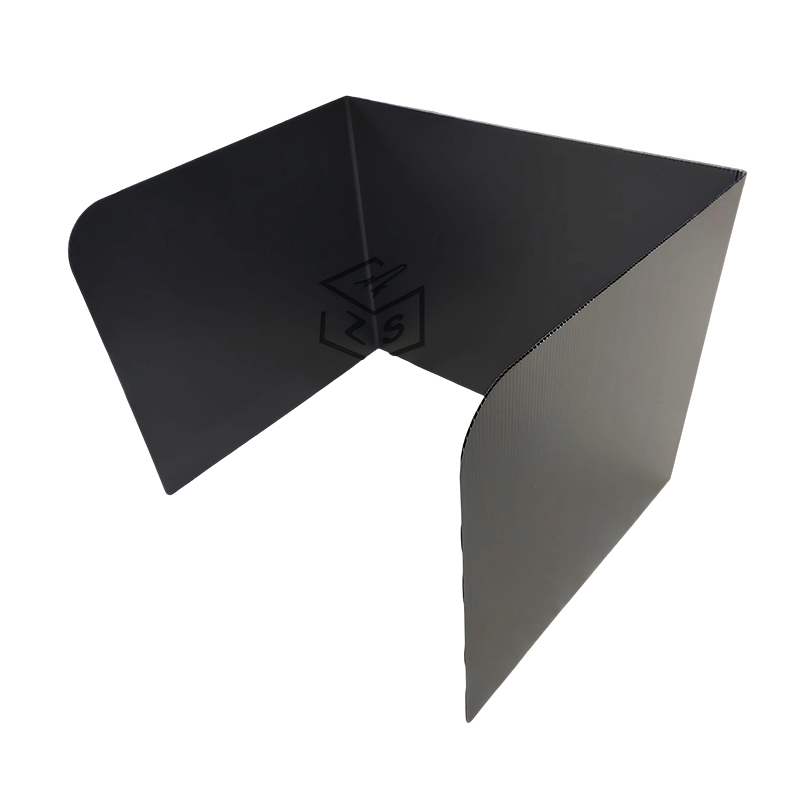
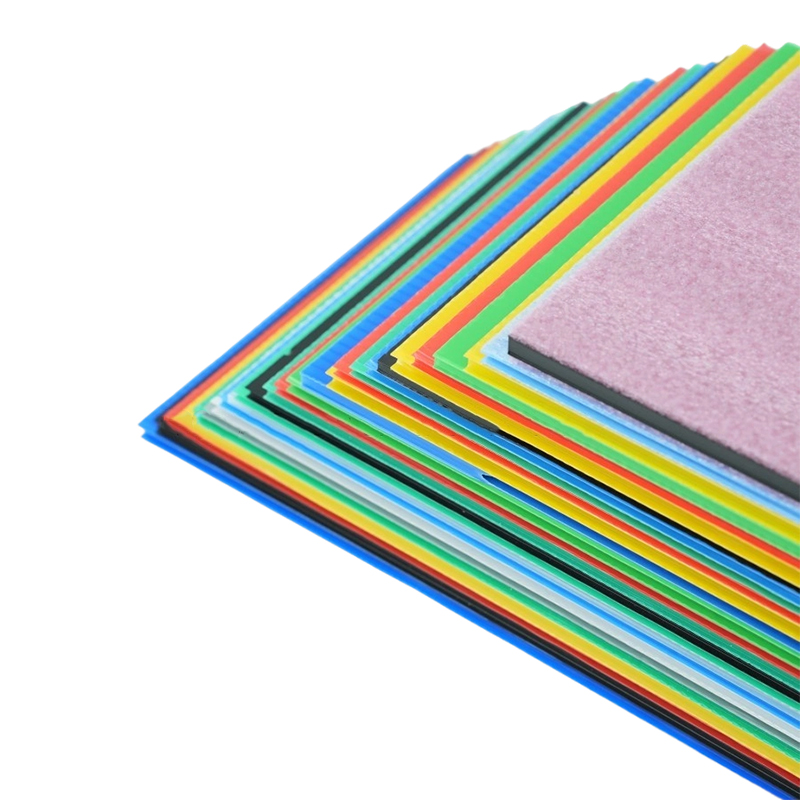 Heavy Duty Twinwall Corrugated Plastic Board for Logistics PackagingThis polypropylene twinwall board offers waterproof, impact-resistant strength for reusable packaging. It suits humid or non-climate-controlled environments where cardboard softens, helping pallets keep alignment and load stability.View Product →
Water is the most aggressive enemy of corrugated cardboard. Once paper fibers absorb humidity, the box loses compression strength, the flaps soften, and labels peel. In a rainy loading dock, a cold warehouse, or a refrigerated truck, cardboard failures tend to happen at the worst time.
Produce, seafood, and beverages create condensation as they move from cold storage to ambient conditions. A cardboard carton can become soggy, tear during lifting, and create extra labor costs. Fluted polypropylene is naturally waterproof and can be wiped down or washed. This makes it a common material for reusable produce boxes, divider pads, and cold-chain packaging.
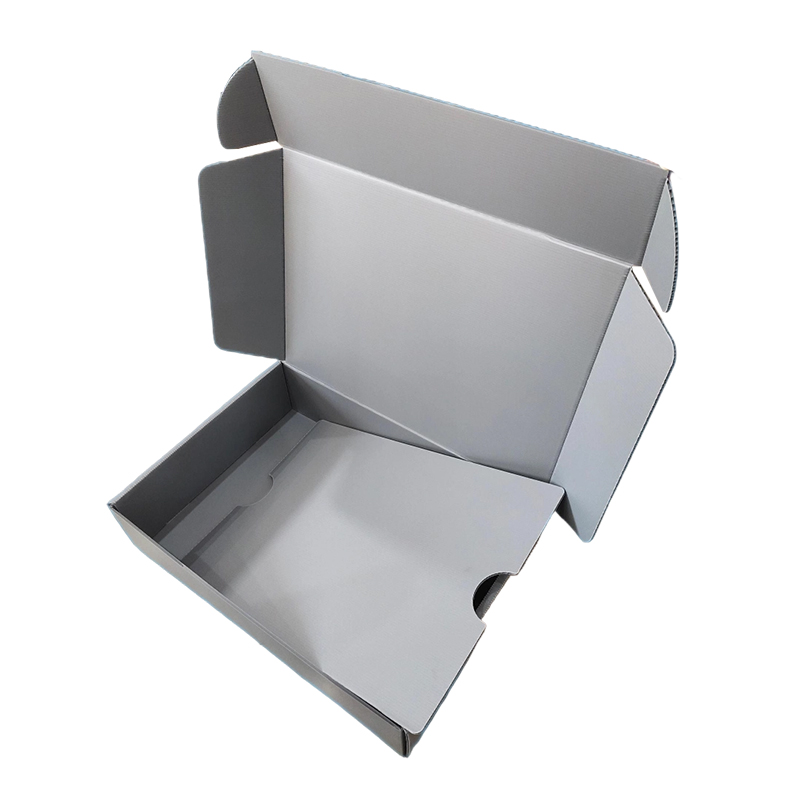
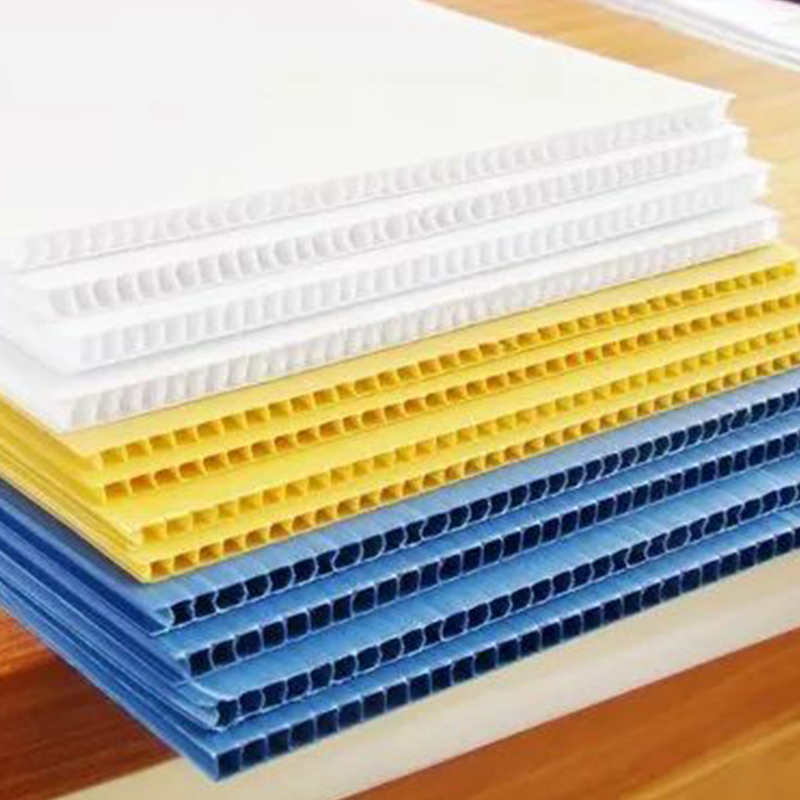 Waterproof Fluted Polypropylene Sheet for Storage Box MakingA moisture-proof PP sheet designed for crafting storage and turnover boxes. It resists water and chemical corrosion, making it practical for produce, cold-chain, and warehouse applications where cardboard becomes soggy and tears.View Product →
Hidden costs of wet cardboard include:
When a package can be reused, the purchase price is spread over many cycles. This is the main driver in a long-term comparison. A returnable PP container can replace a continuous stream of disposable cardboard cartons.
Nesting totes collapse or stack into a smaller volume. Empty returns cost less to transport, and warehouse space is freed. Cardboard waste, in contrast, must be collected, baled, and removed. Both collection and removal consume labor and floor space.
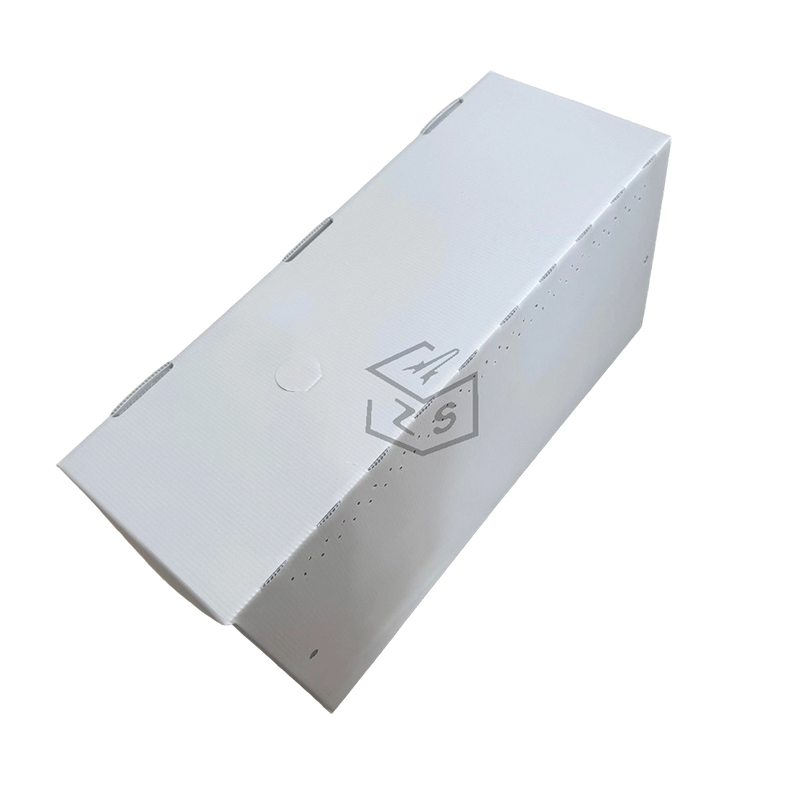
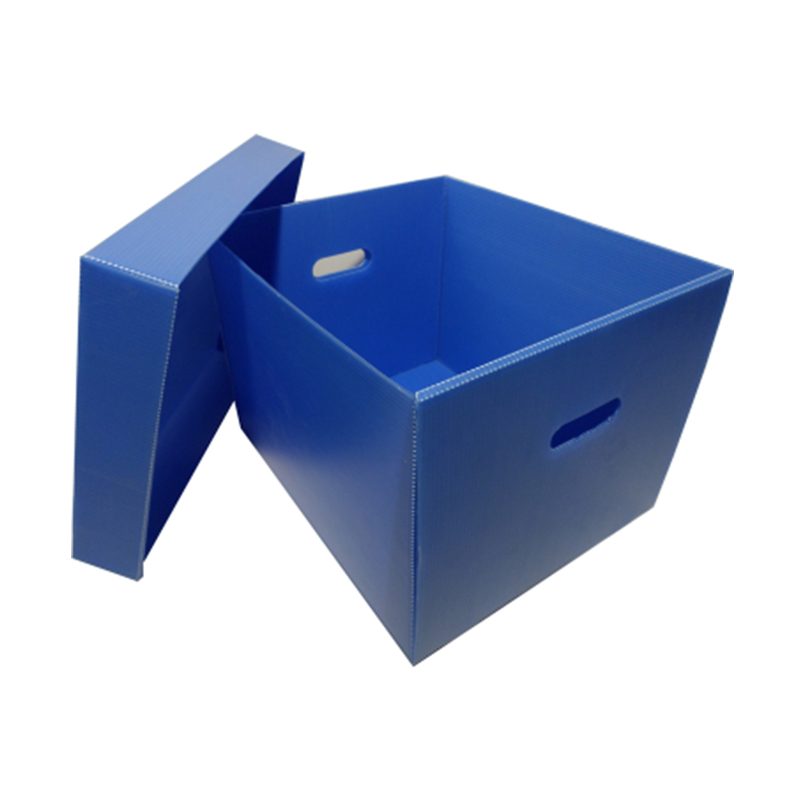
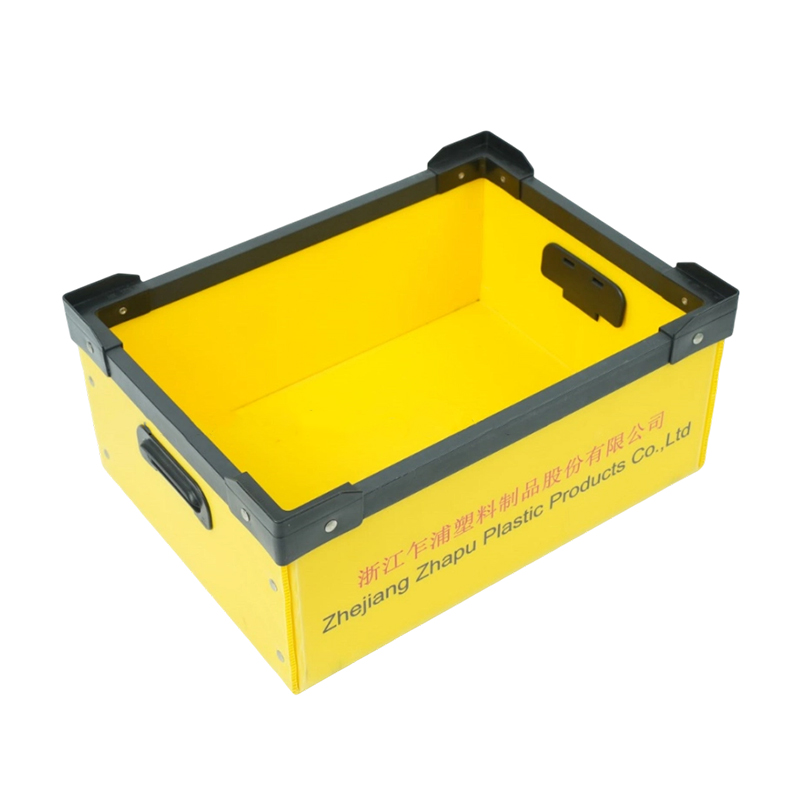
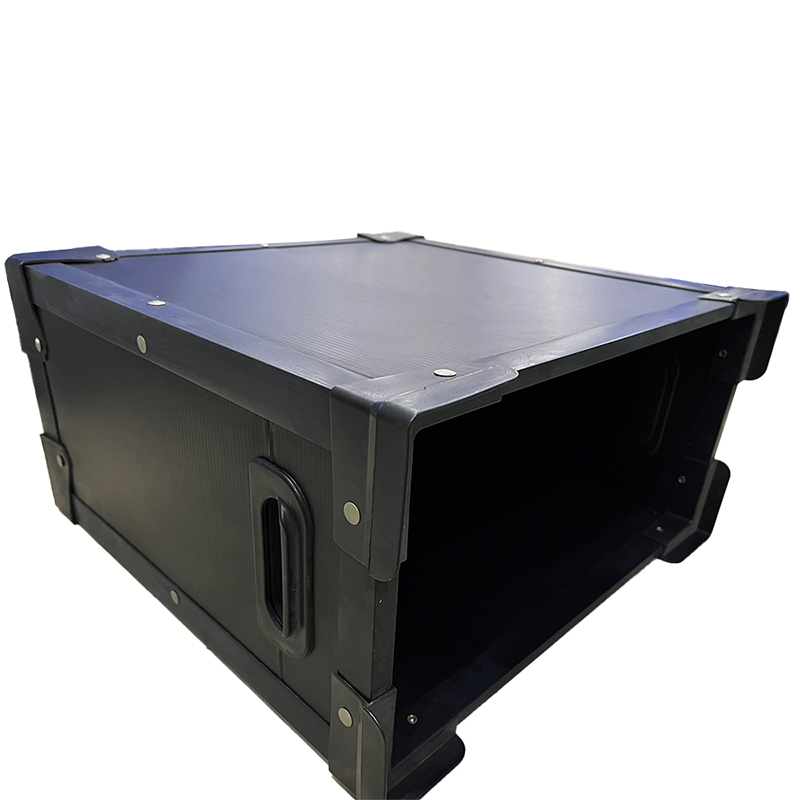 Heavy Duty Corrugated Plastic Nesting Tote BoxA nestable, washable PP tote that saves up to 70% return space and withstands moisture, oil, and impact. It reduces waste and downtime in food, pharmaceutical, and automated lines where cardboard cannot be cleaned.View Product →
Plastic containers can be washed and inspected quickly. Cardboard cannot be cleaned, so it is usually discarded after any contamination. In food, pharmaceutical, and automated production lines, washable packaging reduces downtime and quality risk.
| Example: 50 shipments | Cardboard Box | PP Nesting Tote |
|---|---|---|
| Purchase price | $1.25 | $6.50 |
| Expected trips | 1 | 50 |
| Packaging consumed | 50 boxes | 1 tote |
| Material cost | $62.50 | $6.50 |
| Handling allowance | $12.50 | $3.00 |
| Total for 50 shipments | $75.00 | $9.50 |
These figures are illustrative. Actual results depend on size, weight, return distance, and the number of cycles a PP product achieves in a real operation.
Corrugated cardboard is recyclable, but only if it stays clean and dry. Used cartons often contain tape, moisture, labels, or food residue, which raises the cost of sorting and baling. Polypropylene packaging also needs responsible handling, but because it lasts much longer, the waste volume per shipment is lower.
At the end of service life, PP hollow board can be reground and used as raw material for new sheets and containers. This is one of the reasons returnable plastic packaging supports waste-reduction targets. You can read more about recyclable polypropylene products in our sustainable packaging practices.
Neither material is right for every job. Cardboard is still practical for single-delivery e-commerce mailers, lightweight printed cartons, and one-time promotions. Corrugated plastic wins when the same physical item is used again and again.
Not over time. The upfront price is higher, but the cost per use is usually lower because PP board lasts much longer. For high-turnover packaging, plastic tends to be the more cost-effective option.
Start with your annual shipment volume, the number of times each package returns, the cost of damaged goods, and the cost of waste handling. Then divide the purchase price by the expected number of trips. Use that number instead of the sticker price.
Polypropylene is recyclable in many regions. Because one PP sheet or tote often replaces many cardboard boxes, the material used per shipment is lower. End-of-life recovery depends on local recycling facilities.
A corrugated plastic sheet can look expensive on a quote, while cardboard can look like the safest budget choice. But the long-term cost comparison is built on cycles, not first price. If your operation ships products once and does not need a returnable asset, cardboard remains practical. If the package will come back, get damp, or need cleaning, polypropylene hollow board usually pays for itself within a small number of trips.
Test the material in your own warehouse. Ask for samples, run the same product through the same route, and track breakage, labor, and disposal. Once you have the data, the choice becomes clearer. Discuss your application with our team and compare a returnable PP solution against your current cardboard spend.
Products
Contact Us
Email: jiangjufang@zpslc.com
FAX: +86-573-85767773
Phone: +86-18957319083
Tel: +86-573-85761221
WhatsApp: +86-13356049083
Wechat: +86-13355839083
Address: No. 188 Guangyuan Road, Guangchen Town, Pinghu City, Zhejiang Province, China

 English
 Français
 Español
 عربى
عربى
 Deutsch