jiangjufang@zpslc.com
+86-18957319083
Content
Choosing the right picking bin affects more than shelf space. It shapes purchase cost, picking efficiency, worker comfort, and even transport expenses. Two options dominate warehouse shelving: correx picking bins made from corrugated polypropylene board, and injection-molded plastic bins formed as solid one-piece containers. Both are reusable, and both perform well, but they excel in different areas. This guide compares them across cost, weight, and storage savings so you can select the most practical bin for your operation.
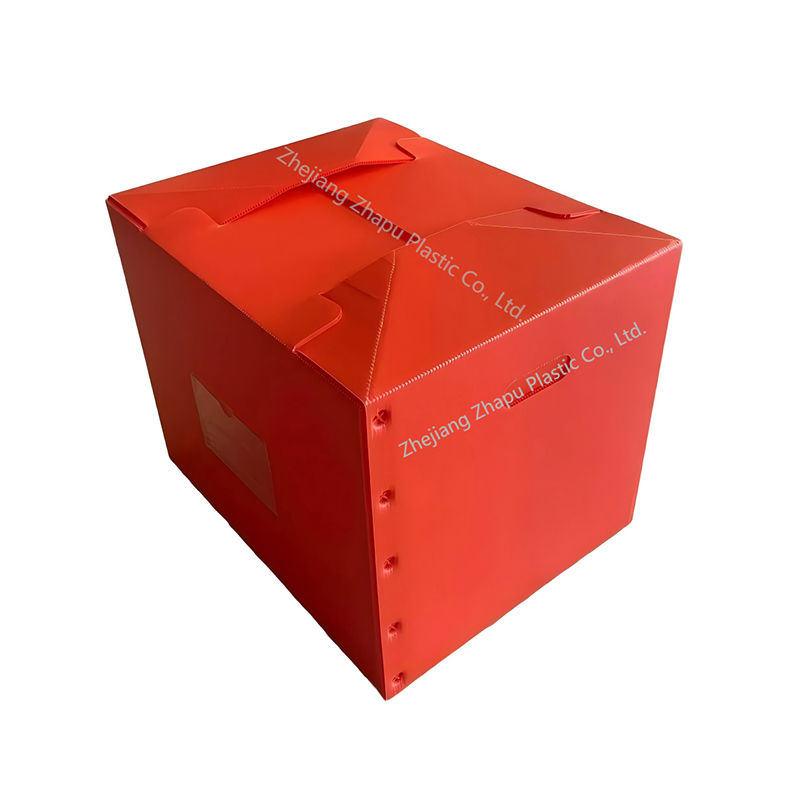
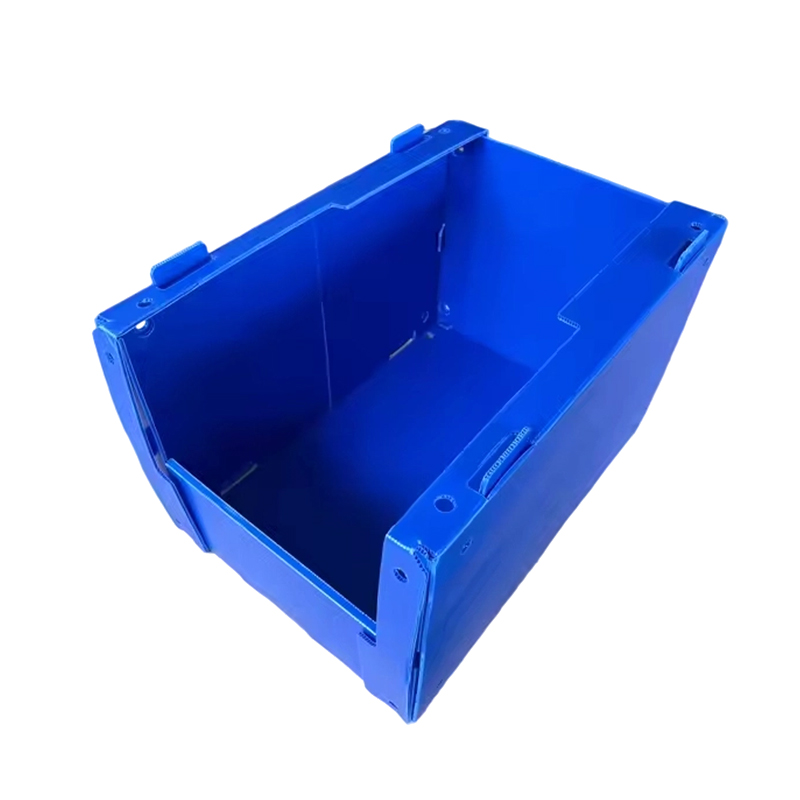
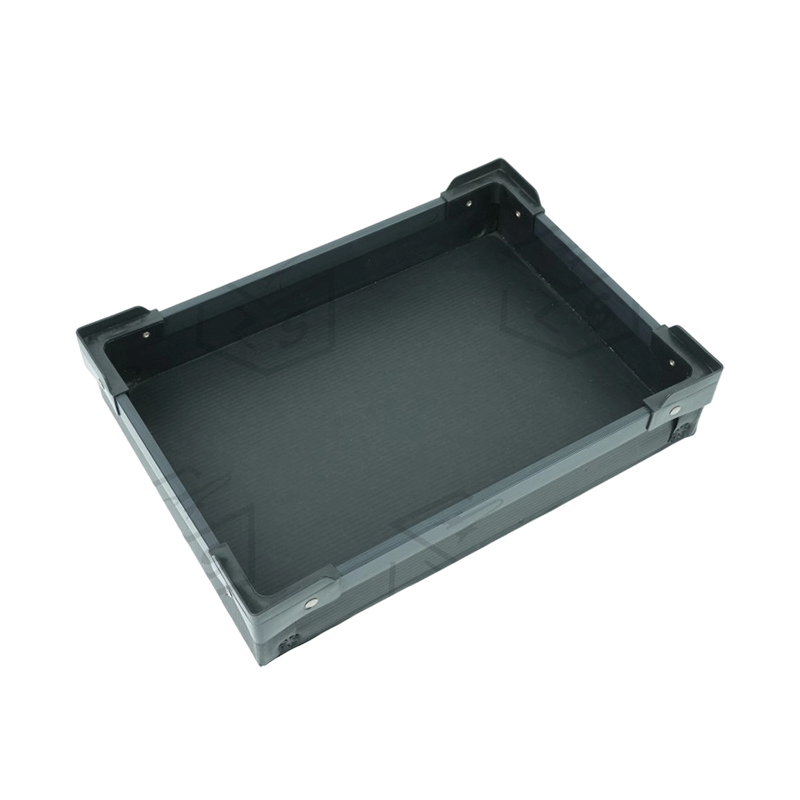
Correx picking bins, sometimes called corflute bins or PP hollow-board bins, are fabricated from twin-wall polypropylene sheet. The board is lightweight, water-resistant, and easy to cut, fold, and print. Correx bins are often shipped flat-packed or in a nestable format, which keeps storage and transport costs low even before they enter service.
Injection-molded plastic bins are produced by forcing molten polymer into a precision steel mold. The finished container is a single, seamless piece with smooth corners and consistent wall thickness. This method delivers high impact strength and perfectly uniform dimensions, but it requires significant tooling investment before the first bin is made.
Purchase price is usually the first thing buyers compare. For many order volumes, correx picking bins hold a clear advantage. They are made directly from corrugated PP sheet with simple folding and joining steps, so production cost stays low even for custom sizes. No expensive mold needs to be amortized, which keeps short and medium runs economical.
Injection-molded bins require costly steel molds, making small quantities relatively expensive. At very high production volumes, however, the per-unit cost of injection molding can drop below board-based fabrication. The right choice depends on your order size, budget structure, and expected bin lifespan.
Weight also affects total cost. Because correx bins are lighter, they cost less to ship, and they reduce the structural load on racking, carts, and mezzanine floors.
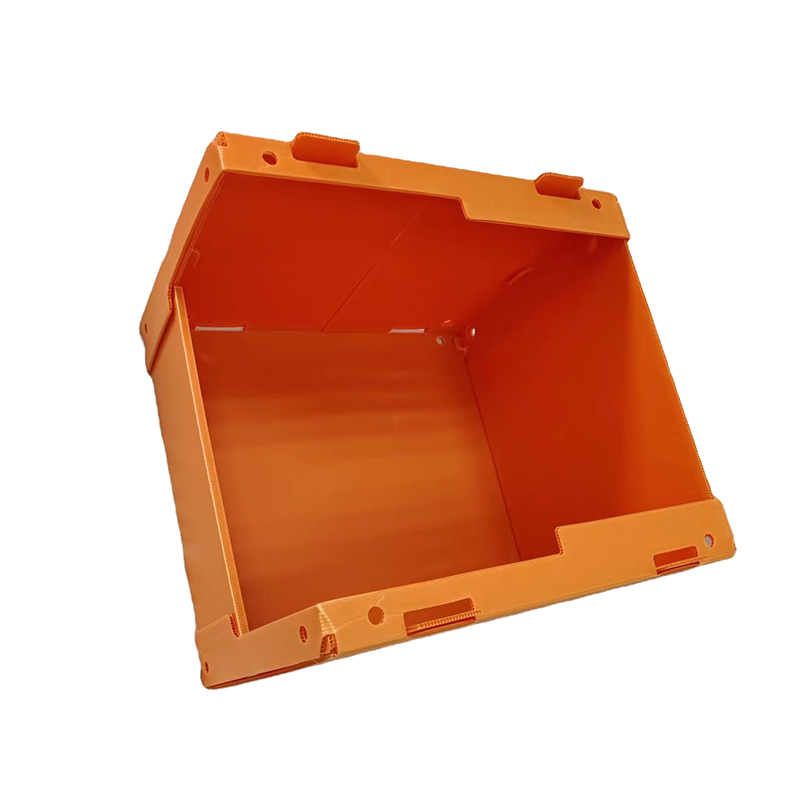
For a cost-efficient picking bin that also saves space, consider a stackable hollow-board option:
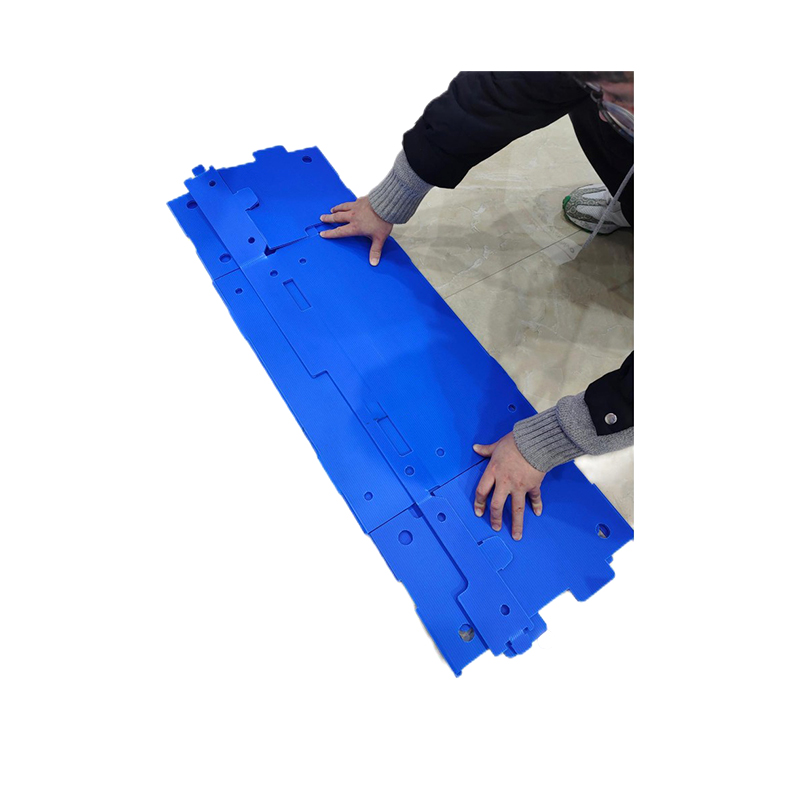 Stackable Correx PP Hollow Board Parts Pick Storage BinStackable Correx PP Hollow Board Parts Pick Storage Bin is a lightweight, rigid storage solution designed for efficient component sorting and picking. Made from durabl...View Product →
| Cost Factor | Correx Picking Bins | Injection-Molded Bins |
|---|---|---|
| Tooling | Low or none | High mold investment |
| Unit cost at low volume | Lower | Higher |
| Unit cost at high volume | Moderate | Lower long run |
| Shipping cost | Lower due to light weight | Higher due to heavy material |
| Replacement | Inexpensive to replace | More expensive |
Reducing load weight is one of the most practical improvements a warehouse can make. Correx picking bins are significantly lighter than injection-molded bins of the same external size because the fluted core removes a large share of the plastic material. That means less strain for picking staff, faster handling, and lower freight charges when totes are delivered to your facility or redistributed between sites.
For employees who fill dozens of totes each shift, the weight difference adds up quickly. A lighter container is easier to lift onto a workbench, carry to a packing station, or place onto a conveyor. New and seasonal workers also adapt to lighter handling faster, which can reduce training time and strain-related issues.
Lighter bins also widen your equipment choices. Lighter racks, lighter carts, and lower floor-loading requirements can reduce the cost of the entire storage system, not just the bins themselves.
Warehouse space is expensive. Bins that nest or fold when empty can recover a large amount of shelf and floor area. Many correx picking bins are designed with tapered walls so empty bins stack inside one another, shrinking their empty footprint dramatically. Some models even fold completely flat for long-term storage and return logistics.
Injection-molded bins can be designed to nest too, but they cannot fold flat. If your operation holds a large float of empty bins between seasonal peaks, correx nesting designs usually win on space efficiency.
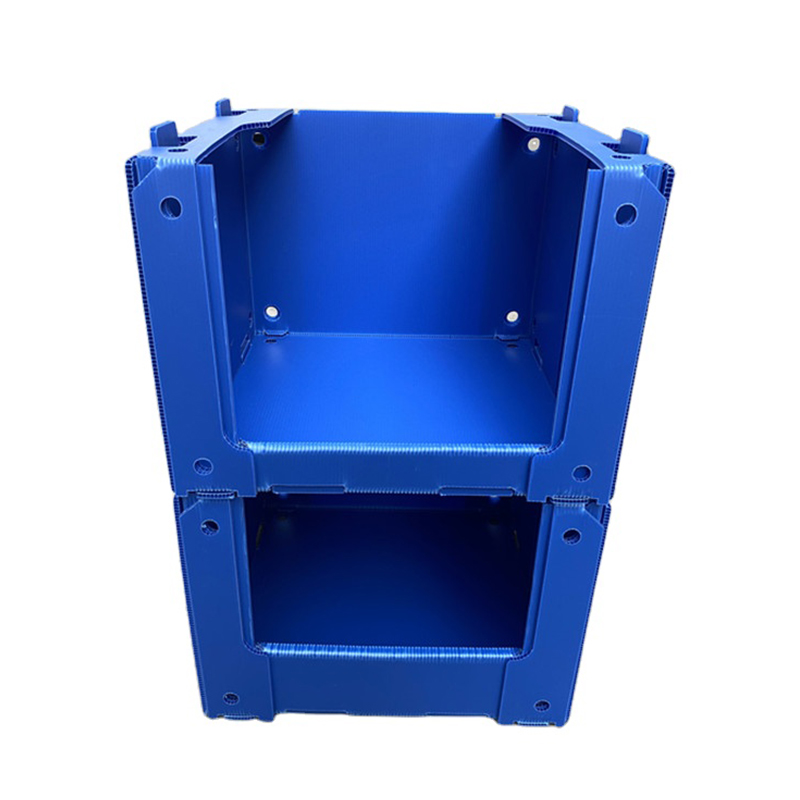
Flat-pack delivery multiplies the savings before bins even reach the shelf. Multiple correx totes fit into a single carton, reducing transport volume and packaging waste. This is especially valuable when bins move between facilities or are stored during off-peak months.
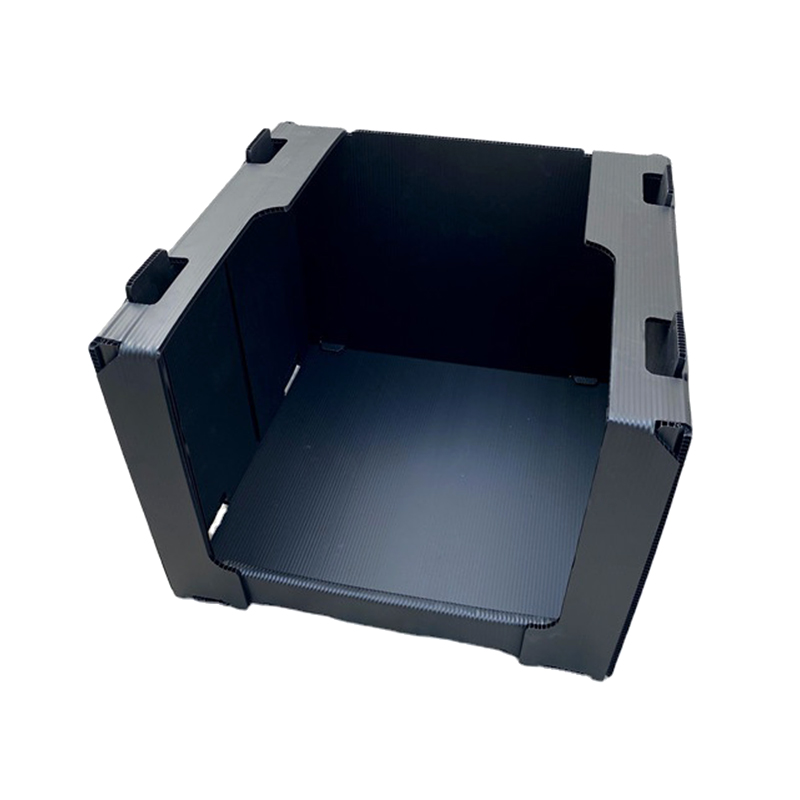 Nestable Corflute Hollow Board Pick BinNestable corflute hollow board pick bin is made from lightweight yet high-strength PP hollow sheet material. It features a stable structure with a nestable design that...View Product →
Injection-molded bins have a performance edge when loads are heavy and impacts are frequent. A thick, solid wall will not buckle under concentrated weight as easily as a hollow-board wall. One-piece construction also makes molded tote boxes highly resistant to cracking at corners and edges.
Correx bins are tougher than they look. Polypropylene board resists water, oil, and many chemicals, and it does not split like corrugated cardboard. For typical picking and kitting tasks, including light to medium parts, packaged components, and documents, a well-made correx bin delivers good service life at far lower weight and cost.
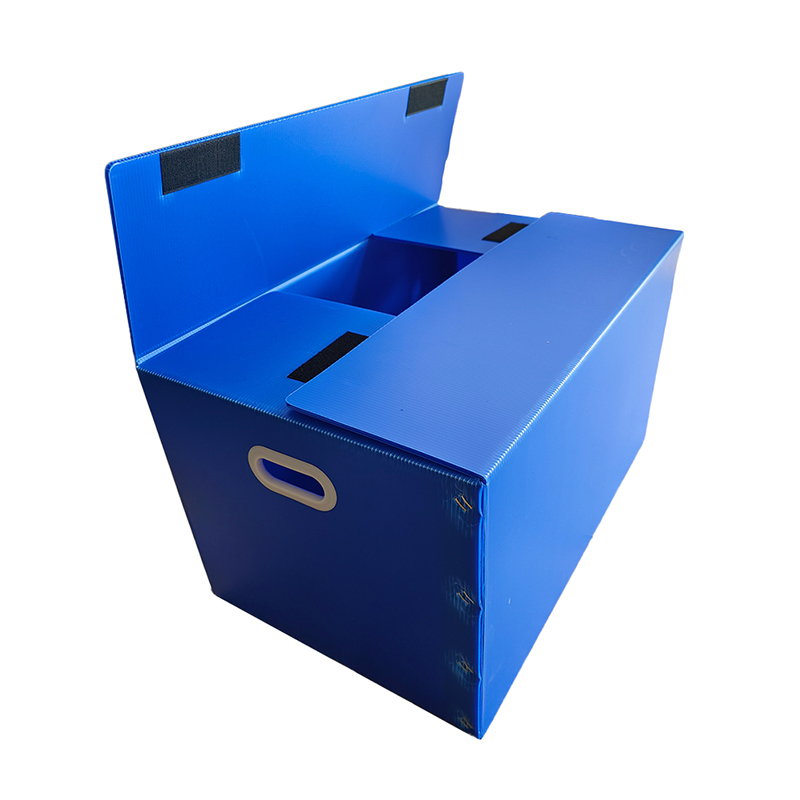
For heavier loads, heavy-duty correx picking bins use thicker board and reinforced construction to provide extra strength while retaining the material's weight advantage:
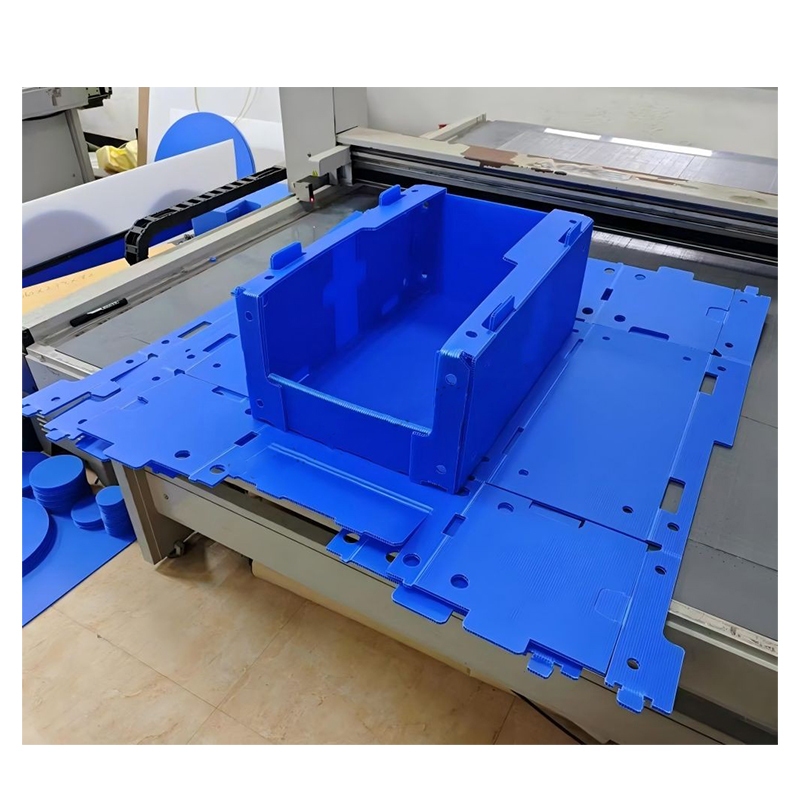 Heavy Duty Corrugated Plastic Picking BinsHeavy duty corrugated plastic picking bins are manufactured from thickened PP corrugated material, offering high load-bearing capacity and strong impact resistance. De...View Product →
Correx also stands out for customizability. Because the bin starts as a flat sheet, you can add printed labels, company colors, multiple sizes, and dividers without building a new mold. Color-coding zones for different departments or product families is a simple way to improve organization.
The best choice depends on your application. Here is a quick reference:
Service life depends on board thickness and duty cycle. Under normal picking conditions, polypropylene board resists moisture, oil, and everyday wear far better than cardboard, and many operations use correx totes for years before replacement. Regular cleaning and careful handling extend lifespan further.
Yes, within practical limits. Heavy-duty correx picking bins use thicker board and reinforced construction to handle heavier loads. For very dense castings or concentrated point loads, injection-molded bins remain the stronger option.
Yes. PP hollow board is naturally moisture resistant and easy to wipe down, so correx bins perform well in humid or dusty conditions. You can learn more in our guide to how correx picking bins handle dusty or damp warehouses.
Both bin styles have earned a place in modern warehouses. Injection-molded bins provide maximum toughness for heavy parts and very high volume runs. Correx picking bins offer a lighter, more economical, and more space-efficient solution for most picking and storage tasks. If your priority is reducing cost, lowering handling weight, and reclaiming shelf space, correx is often the better answer.
Before you commit to a single style, test it in your own workflow. Measure how many bins fit on a shelf, weigh them when full, and review replacement cost over time. Our team can help you compare sizes, board thickness, and nesting options, so just get in touch.
Products
Contact Us
Email: jiangjufang@zpslc.com
FAX: +86-573-85767773
Phone: +86-18957319083
Tel: +86-573-85761221
WhatsApp: +86-13356049083
Wechat: +86-13355839083
Address: No. 188 Guangyuan Road, Guangchen Town, Pinghu City, Zhejiang Province, China

 English
 Français
 Español
 عربى
عربى
 Deutsch