jiangjufang@zpslc.com
+86-18957319083
Content
For growers, packers, and produce distributors, the choice between foldable PP fruit crates and wooden crates affects every stage of the fresh produce journey. Nowhere is this more visible than in hydro-cooling and field harvesting, two operations that place intense demands on strength, hygiene, ventilation, and handling convenience. This article compares the two crate types in detail and explains why foldable polypropylene (PP) fruit crates are becoming the preferred solution for modern fresh produce supply chains.
During field harvesting, crates are filled quickly, stacked on trailers, and transported over rough terrain. Shortly afterward, hydro-cooling pushes field heat out of the fruit using chilled water. A crate that fails at either step creates measurable losses: bruised skin, decay, re-sorting labor, and rejected loads.
Traditional wooden crates have served the industry for decades. They can be manufactured and repaired locally, and their natural plank gaps allow decent air movement. However, modern foldable PP fruit crates address the most common complaints associated with wood, including moisture absorption, rough surfaces, splintering, and microbial contamination, while adding folding convenience and long-term reusability. For a broader view of how this material performs across industries, read this practical guide to corrugated plastic uses.
The table below summarizes the most important differences between foldable PP fruit crates and wooden crates in fresh produce applications.
| Criterion | Foldable PP Fruit Crate | Wooden Crate |
|---|---|---|
| Material | Polypropylene hollow board | Natural timber, plywood, or wirebound wood |
| Weight | Light and consistent | Heavier; weight increases when wet |
| Water resistance | Fully waterproof | Absorbs water, swells, and warps |
| Hygiene | Smooth, non-porous, easy to wash | Porous; can host fungi and bacteria |
| Ventilation | Engineered vent holes and slots | Variable gaps between planks |
| Durability | Impact-resistant; no splinters | Can splinter, crack, and lose nails |
| Space efficiency | Foldable when empty | Rigid, fixed shape |
| End of life | Recyclable PP material | Disposal burden; forest resource use |
These differences translate directly into field and cooling performance, as the next sections explain.
Fruit picked from a sun-warmed orchard carries a large amount of field heat. Hydro-cooling removes that heat quickly using chilled water, which slows ripening, reduces water loss, and extends shelf life. For the process to work efficiently, water must reach every piece of fruit quickly and drain away cleanly. The physical design of the crate plays a decisive role in this process.
Foldable PP fruit crates are manufactured with precisely positioned ventilation holes and side slots. These openings keep water moving through the load, so fruit at the center of the crate cools at nearly the same rate as fruit near the surface. Wooden crates offer ventilation too, but the gaps are inconsistent and can close up when the crate swells after repeated wetting.
Wood absorbs water during hydro-cooling, adding significant weight to every filled crate and making handling more strenuous. Polypropylene absorbs virtually no moisture. Filled PP crates stay light, and the cooling water stays cleaner because the crate surface does not release organic residues or treatment chemicals as wood can.
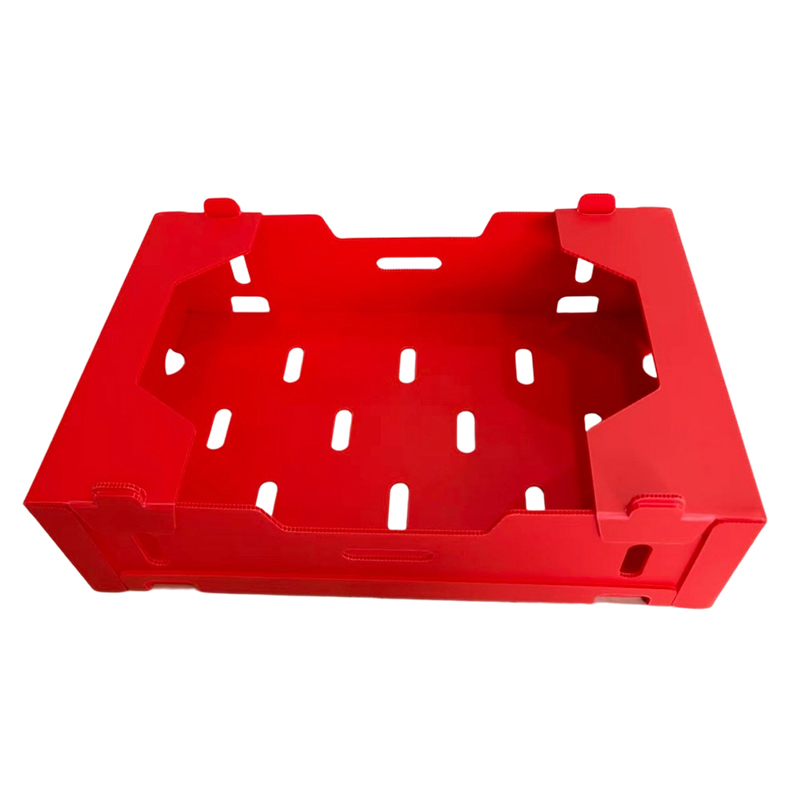
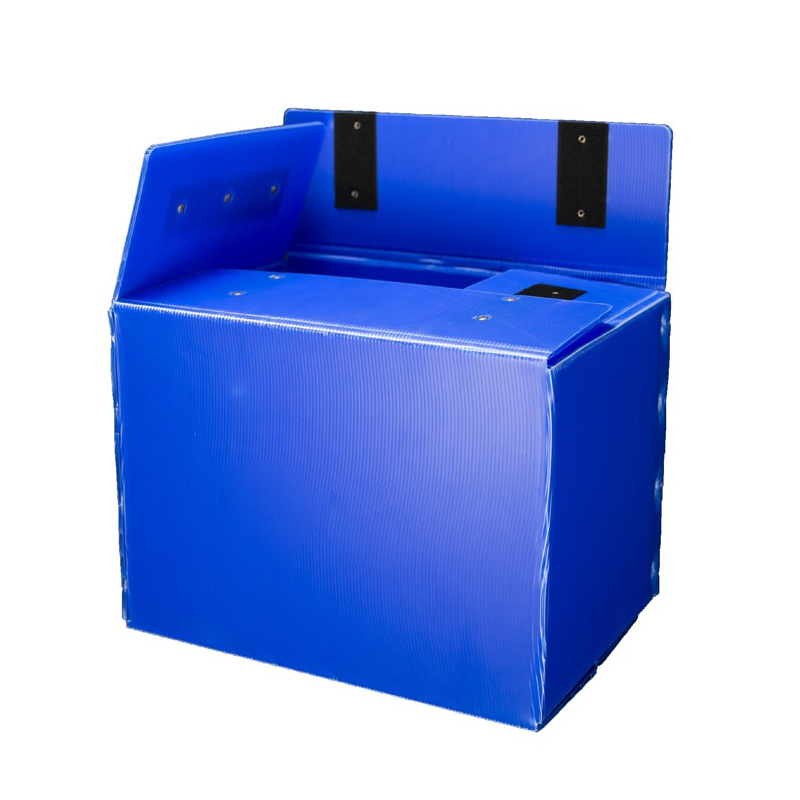
 Foldable PP Corrugated Turnover Box with Ventilation HolesThis collapsible polypropylene crate stays light during hydro-cooling and its smooth interior avoids bruising soft fruits. Ventilation holes reduce mold, making it a practical choice for cold-chain transport.View Product →
Soft fruits such as peaches, berries, and tomatoes are easily bruised when they knock against rough planks. The smooth, slightly flexible walls of PP hollow-board crates cushion the produce during transport through the cooling line. Because the crate interior has no nails or splinters, there is less risk of punctured skin and subsequent mold growth.
Field harvesting demands crates that withstand sun, rain, dust, and rough handling while staying comfortable for workers to lift and carry all day. Here again, foldable PP fruit crates outperform wooden crates.
PP hollow-board crates weigh less than comparable wooden crates, and the tare weight stays constant regardless of weather. This matters when a picker handles hundreds of crates per shift and when rain has just soaked a stack of wooden crates, turning them heavy and slippery in a matter of minutes.
Open-top PP fruit crates are designed for quick filling in the field and stable stacking when full. Reinforced rims allow filled crates to lock together during transport, which stabilizes loads on trailers. During hydro-cooling, the same stackable footprint preserves consistent water flow between crates.
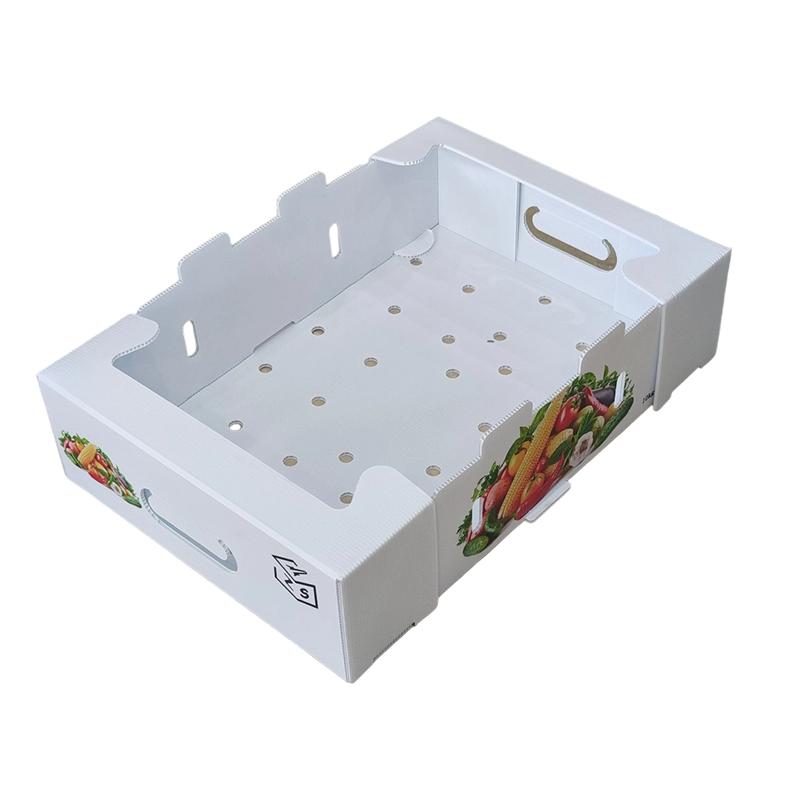
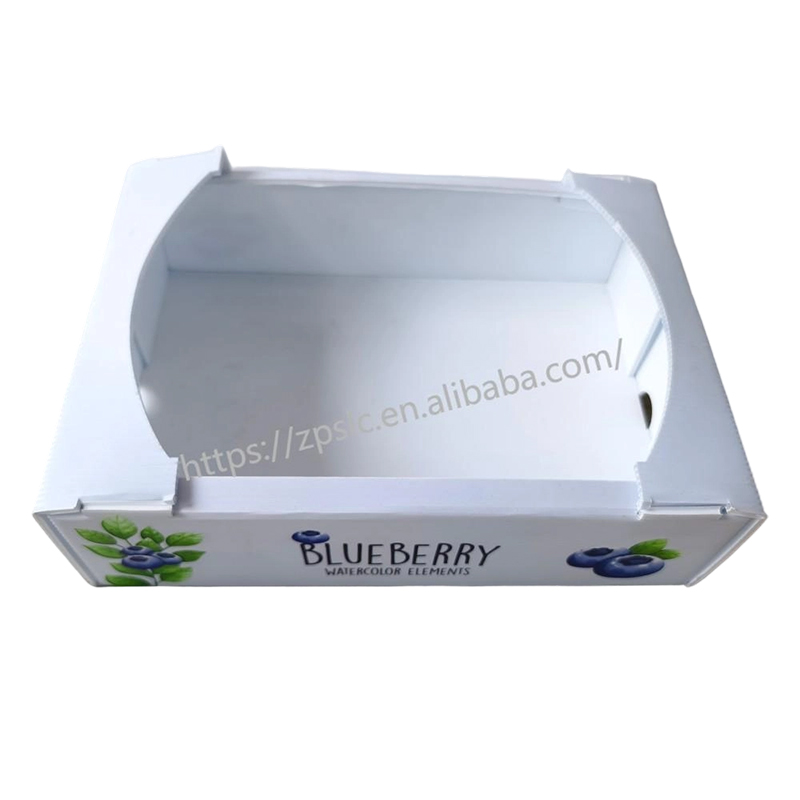
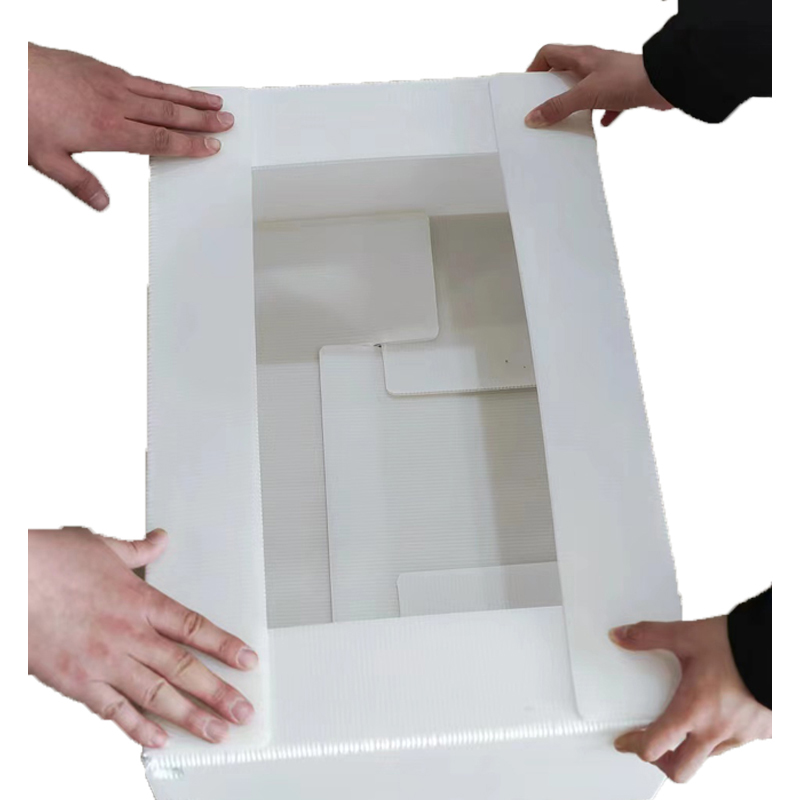 Open Top Stackable Plastic Corrugated Fruit Packing BoxDesigned for field filling and stable stacking, this open-top crate locks securely during transport. Its washable, waterproof structure supports easy sanitation, addressing food-safety concerns in audits and export markets.View Product →
Field crates accumulate soil, plant sap, and moisture. PP crates can be rinsed, washed, and sanitized without deteriorating. Wooden crates, by contrast, absorb wash water and cleaning chemicals into the grain, making them difficult to fully sanitize. This is a major food-safety concern in audit programs and export markets.
The initial purchase price of a PP fruit crate is higher than that of a one-time wooden crate. When viewed over the full service life, however, the economics are very different.
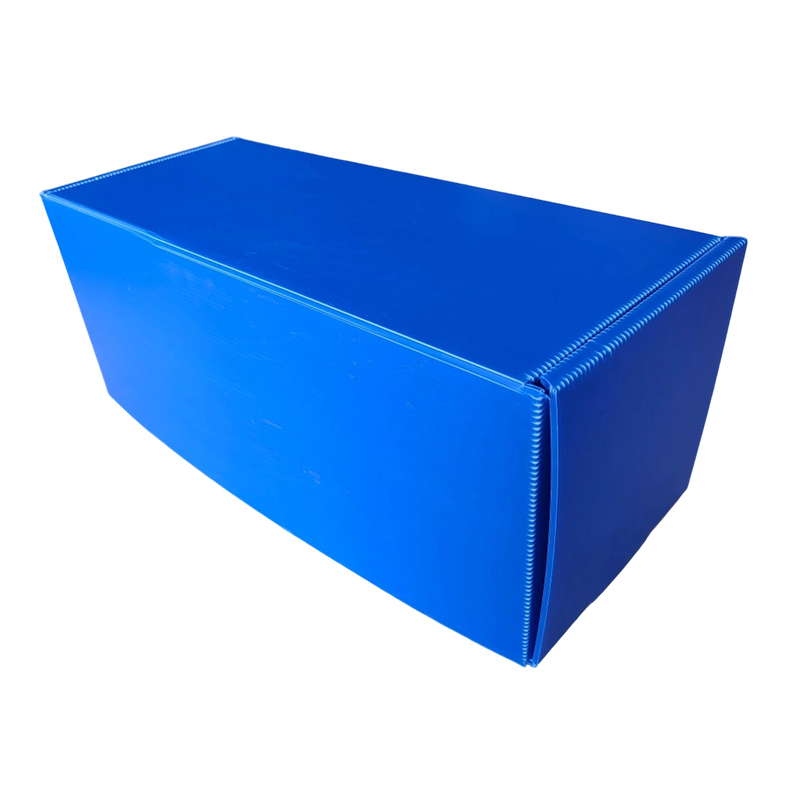
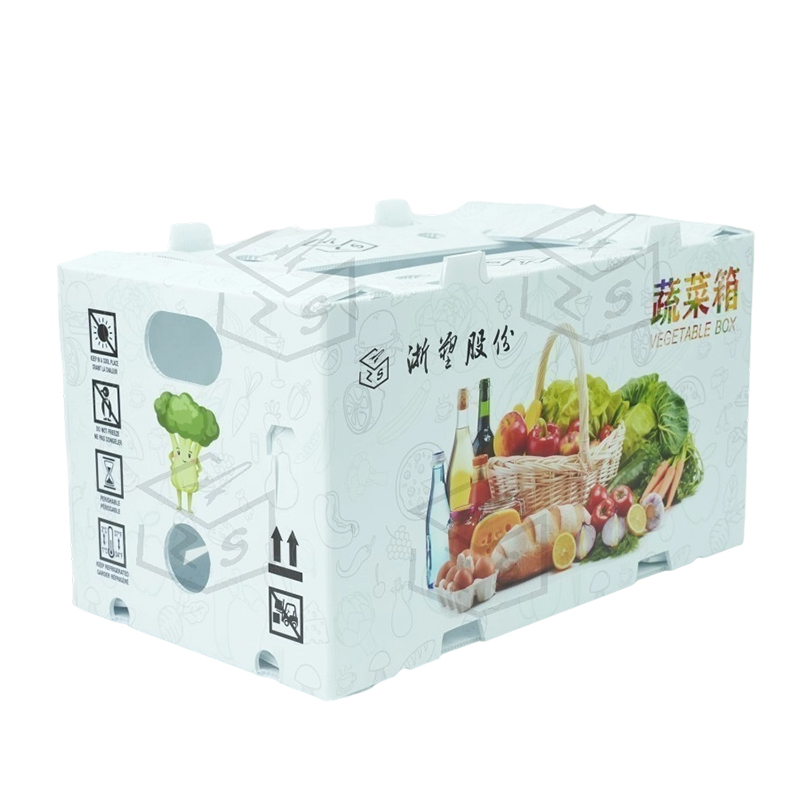 Reusable Waterproof PP Corflute Fruit BoxThough pricier upfront than wood, this reusable corflute crate holds up in wet, cold-chain conditions and supports many handling cycles, lowering long-term packaging costs for growers and distributors.View Product →
For growers comparing total cost of ownership, the reusable and foldable nature of PP crates usually outweighs the lower sticker price of wooden crates. To discuss your specific field layout and hydro-cooling system, contact our team for crate selection support.
Yes. Polypropylene remains strong and stable at typical hydro-cooling temperatures close to 0-4 degrees Celsius and does not become brittle in cold water. The material also withstands repeated thermal cycling between field heat and chilled water without warping.
Depending on the handling environment, a PP hollow-board fruit crate can commonly last 5-10 years or more, whereas wooden crates often need repair after one or two seasons, especially when regularly exposed to moisture and cleaning chemicals.
No. Foldable PP crates are designed to collapse flat. A stack of folded PP crates typically occupies a much smaller footprint than a stack of nested wooden crates, which is a major advantage for empty return logistics and warehouse storage.
Yes. PP hollow-board crates can be custom-printed with farm brands, traceability codes, and handling instructions. This is more difficult with wooden crates because the surface texture and moisture content cause ink to fade or smear.
Products
Contact Us
Email: jiangjufang@zpslc.com
FAX: +86-573-85767773
Phone: +86-18957319083
Tel: +86-573-85761221
WhatsApp: +86-13356049083
Wechat: +86-13355839083
Address: No. 188 Guangyuan Road, Guangchen Town, Pinghu City, Zhejiang Province, China

 English
 Français
 Español
 عربى
 Deutsch