jiangjufang@zpslc.com
+86-18957319083
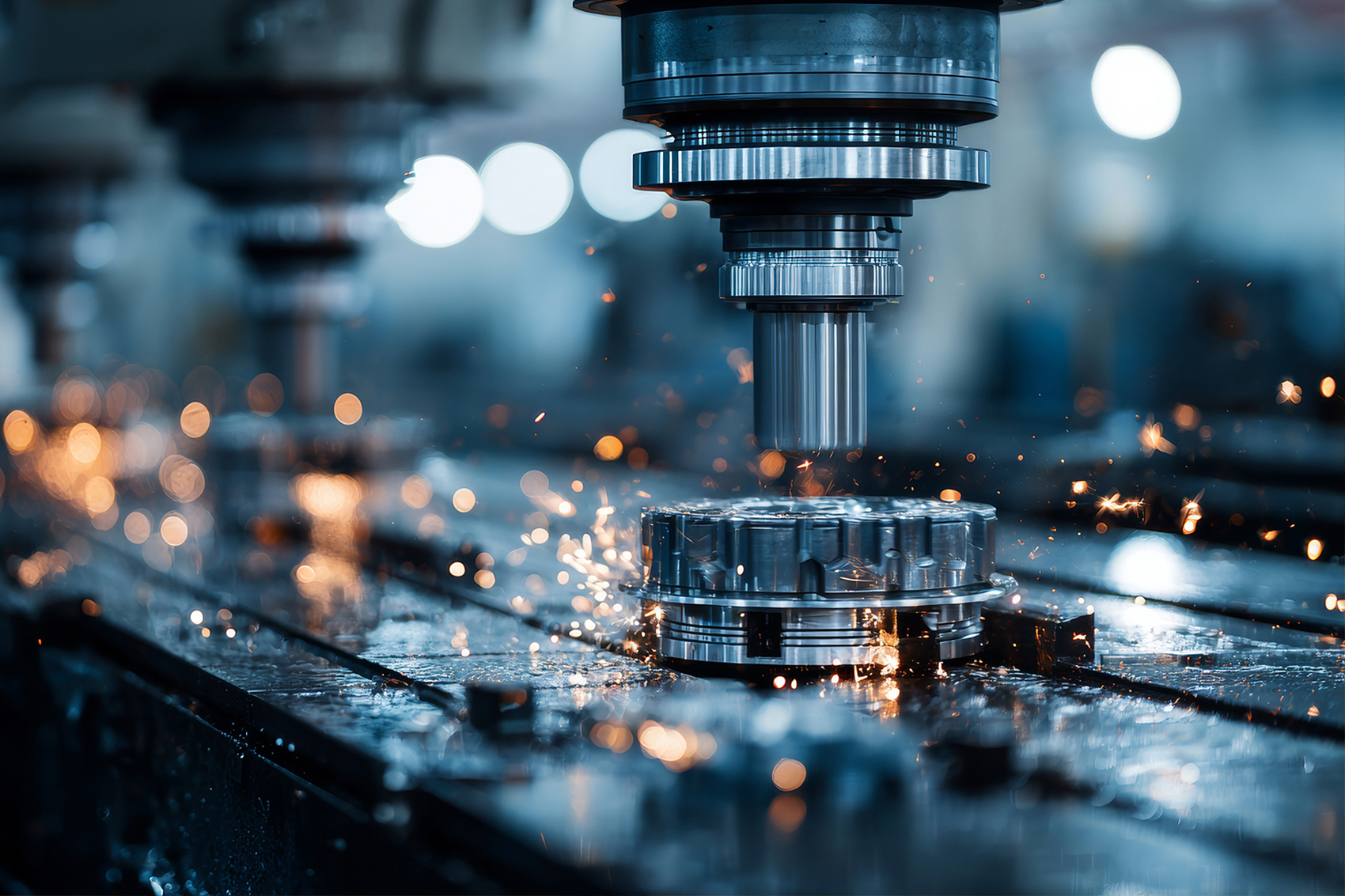
Machinery Industry
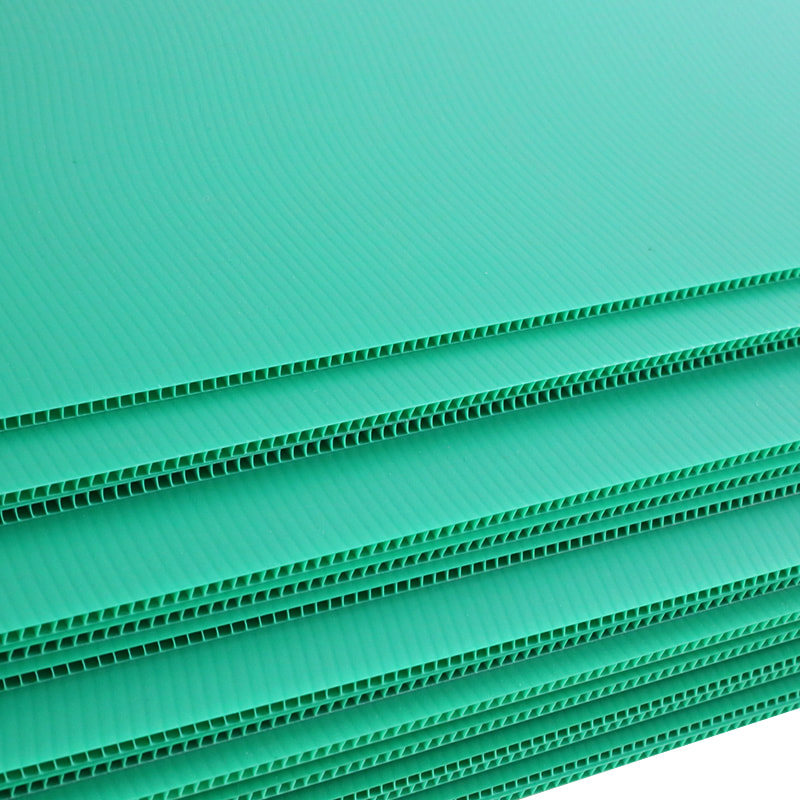
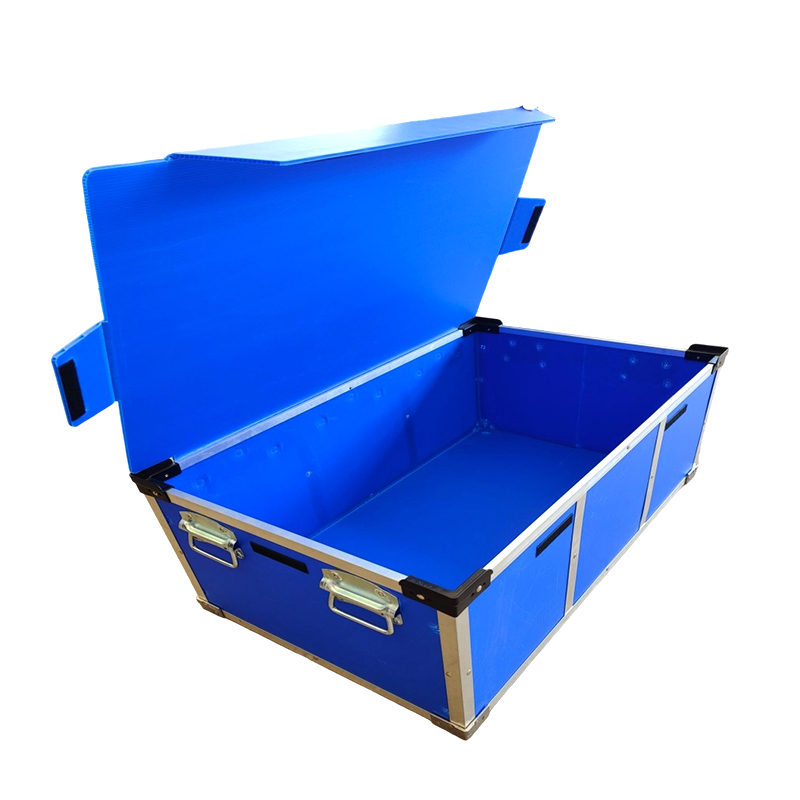
Hollow board (PP corrugated sheet) is widely used in the machinery industry due to its light weight, high strength, moisture resistance, electrical insulation, oil resistance, easy cutting, and reusability. It is applied in equipment protection, parts turnover, workshop isolation, packaging cushioning, and tooling assistance throughout production, storage, logistics, and equipment maintenance.
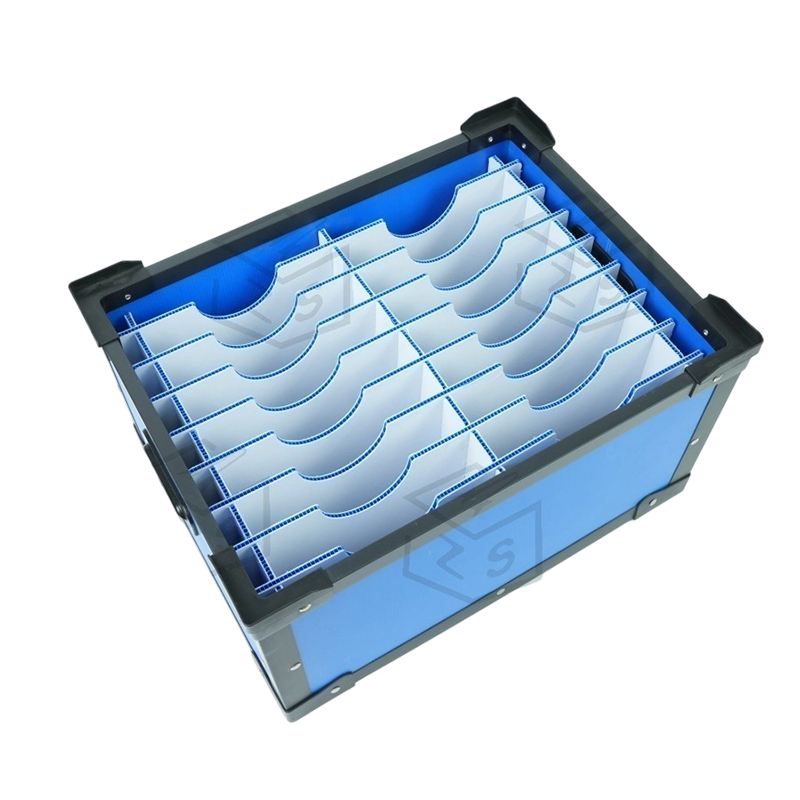
In mechanical processing and assembly, hollow boards are often used as turnover trays and separating pads for parts, especially for precision or scratch-prone workpieces such as gears, bearings, standard parts, stamping parts, and small castings. Its smooth and tough surface prevents collision, scratching, and rusting between workpieces. Compared with wooden pads, it is more moisture-proof, oil-resistant, and less deformable; compared with metal sheets, it is lighter and does not damage workpiece surfaces, supporting efficient flow on assembly lines. Customized hollow board dividers and inner liners can be made to sort small parts, improving assembly and picking efficiency.
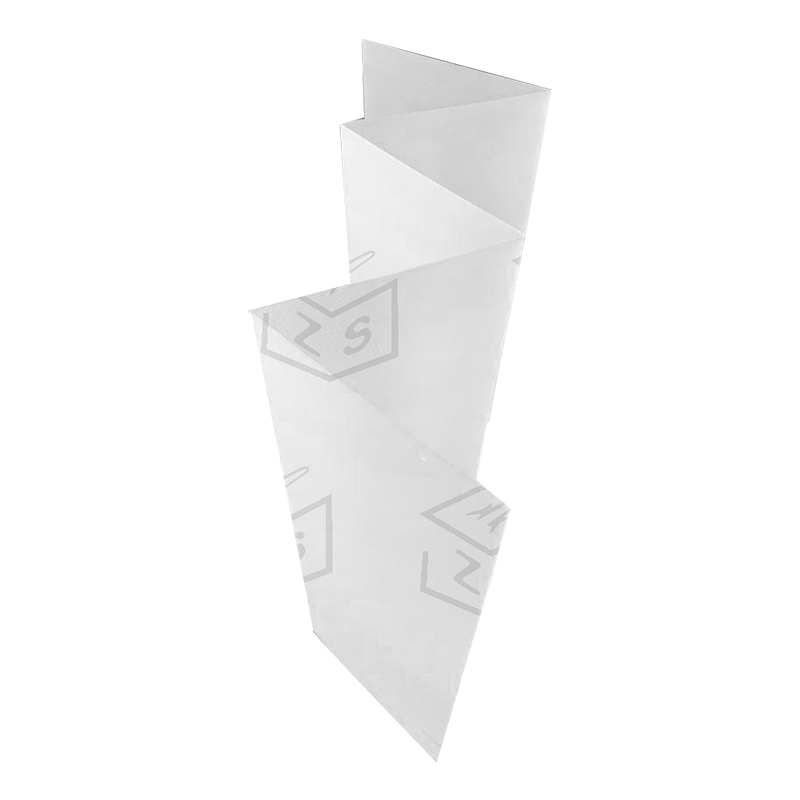
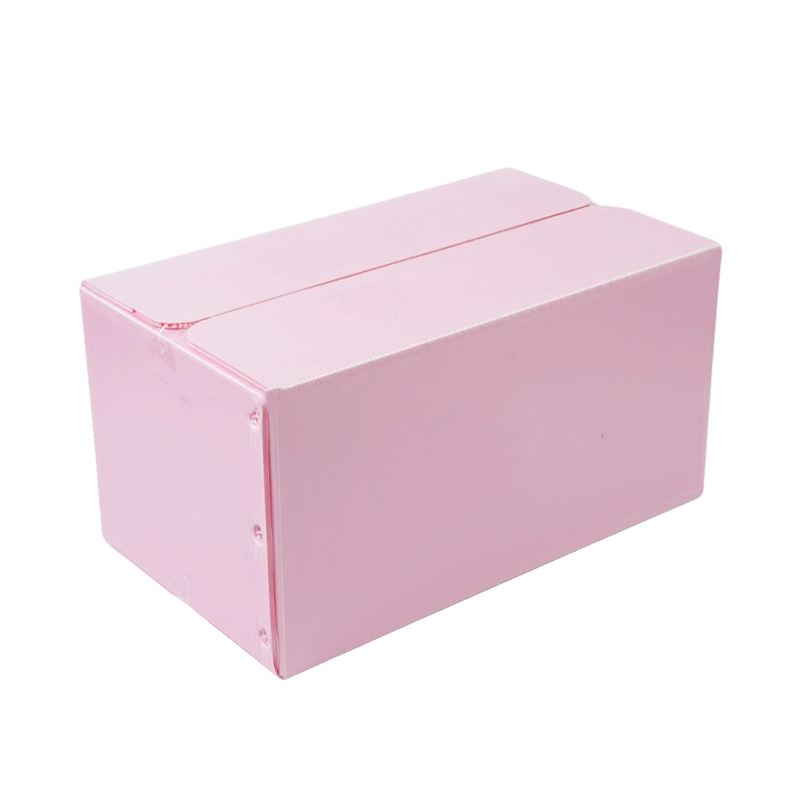
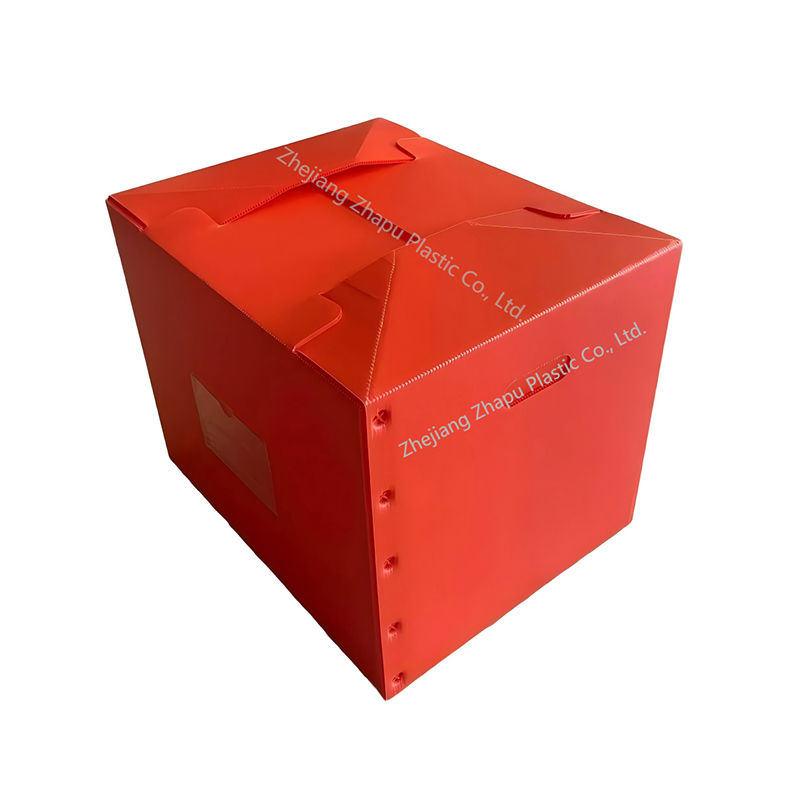
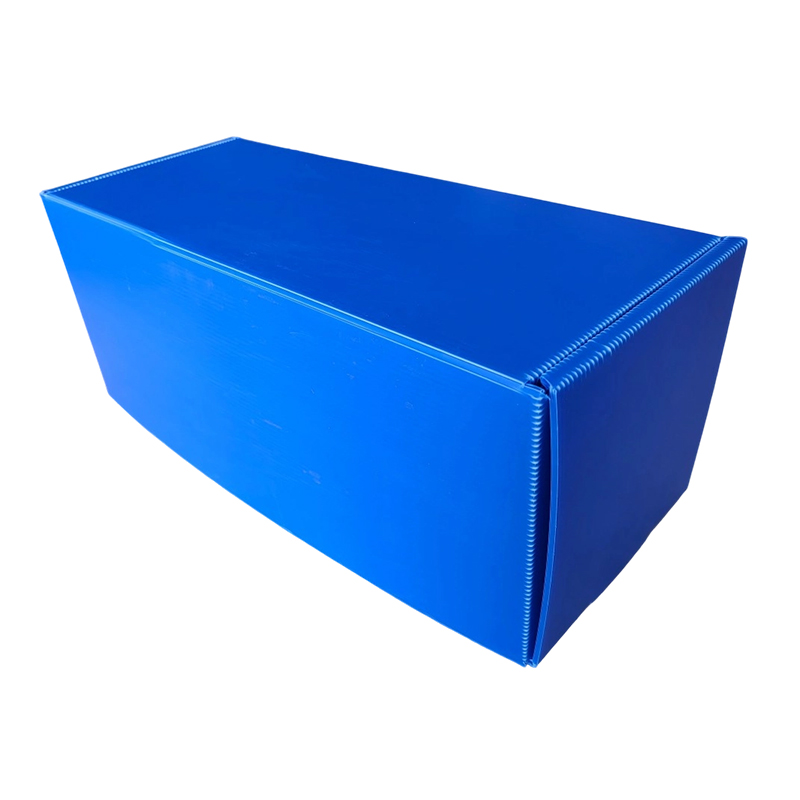
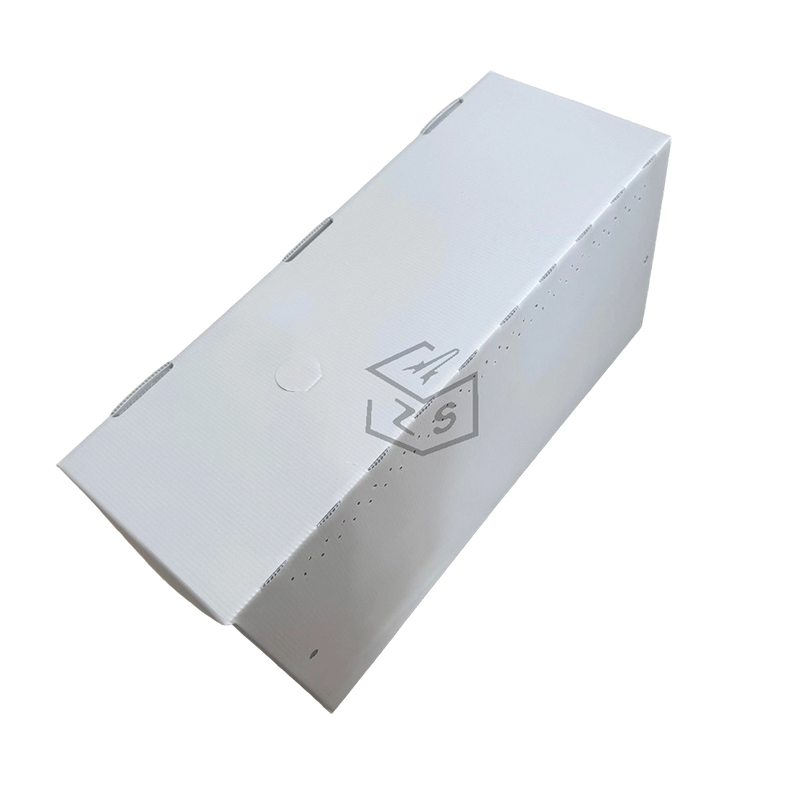
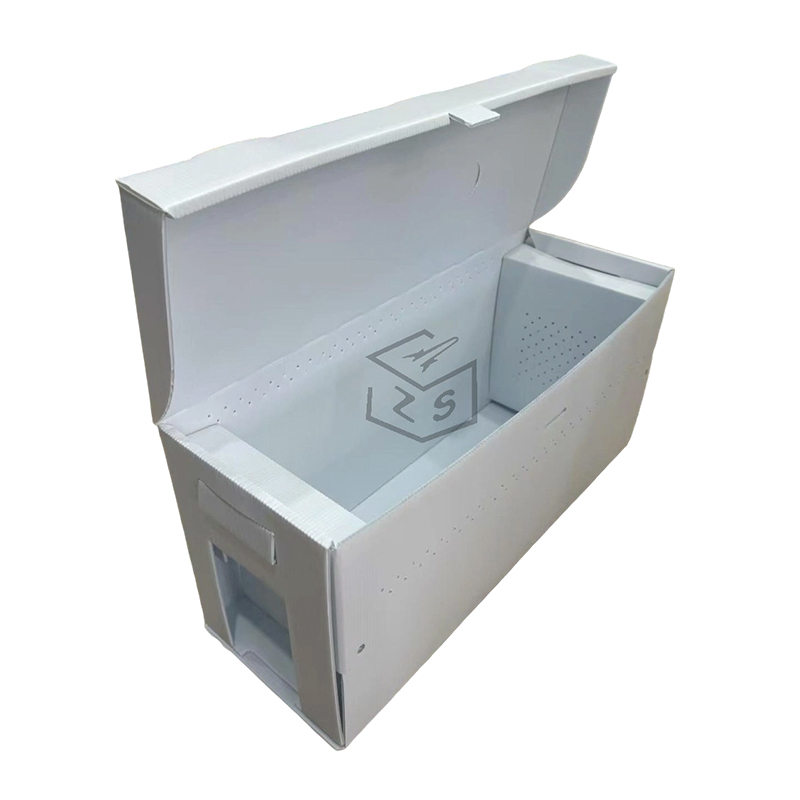
As packaging and protective material for mechanical products, hollow board is widely used for outer packaging and inner cushioning of small and medium-sized machinery and accessories, including equipment casings, machine tool attachments, motors, pump valves, and instruments. It can replace cartons, wood boards, and foam materials to make customized packaging boxes or sleeve boxes, providing excellent compression and impact resistance to protect equipment from jolting and squeezing during long-distance transportation. It is also waterproof and moisture-proof, adapting to complex transportation environments. Foldable and reusable, hollow board packaging greatly reduces packaging material costs and waste disposal expenses for regular shipments.
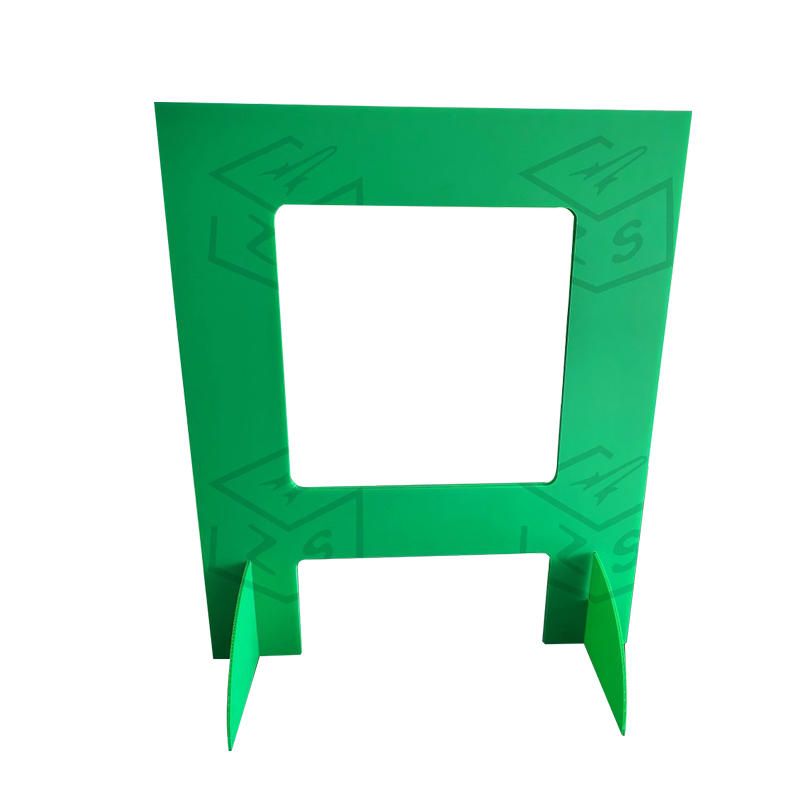
For on-site workshop management and safety protection, hollow board is widely used to produce workshop partitions, station baffles, inner liners for machine tool guards, and safety warning barriers. Lightweight and easy to install, it can be cut and assembled flexibly with various colors. It divides production areas, regulates logistics passages, blocks chips and coolant splashing during machining, and protects operators. With excellent electrical insulation, it can also serve as insulation partitions inside electrical control cabinets and mechanical equipment to enhance electrical safety.
In addition, hollow board supports storage and material management in the machinery industry. It can be made into shelf dividers, material boxes, and parts storage boxes for classified placement of standard parts, hardware, and tools, keeping the workshop tidy and easy to inventory. Oil-resistant, easy to clean, and mold-resistant, it performs well in wet and oily machining workshops and has a much longer service life than paper and ordinary plastic storage supplies. For large mechanical components, it can be used as temporary protective liners and dustproof covers to prevent dust, moisture, and surface damage during storage.
In engineering machinery, auto parts manufacturing, and mold making, hollow boards are also used as turnover liners, transportation fixing pads, and dustproof and moisture-proof covers for large components. Overall, the core value of hollow board in the machinery industry lies in cost reduction, efficiency improvement, better product protection, standardized workshop management, and green recyclable packaging, making it an economical and practical lightweight industrial material for modern mechanical manufacturing and logistics.
Products
Contact Us
Email: jiangjufang@zpslc.com
FAX: +86-573-85767773
Phone: +86-18957319083
Tel: +86-573-85761221
WhatsApp: +86-13356049083
Wechat: +86-13355839083
Address: No. 188 Guangyuan Road, Guangchen Town, Pinghu City, Zhejiang Province, China

 English
 Français
 Español
 عربى
عربى
 Deutsch